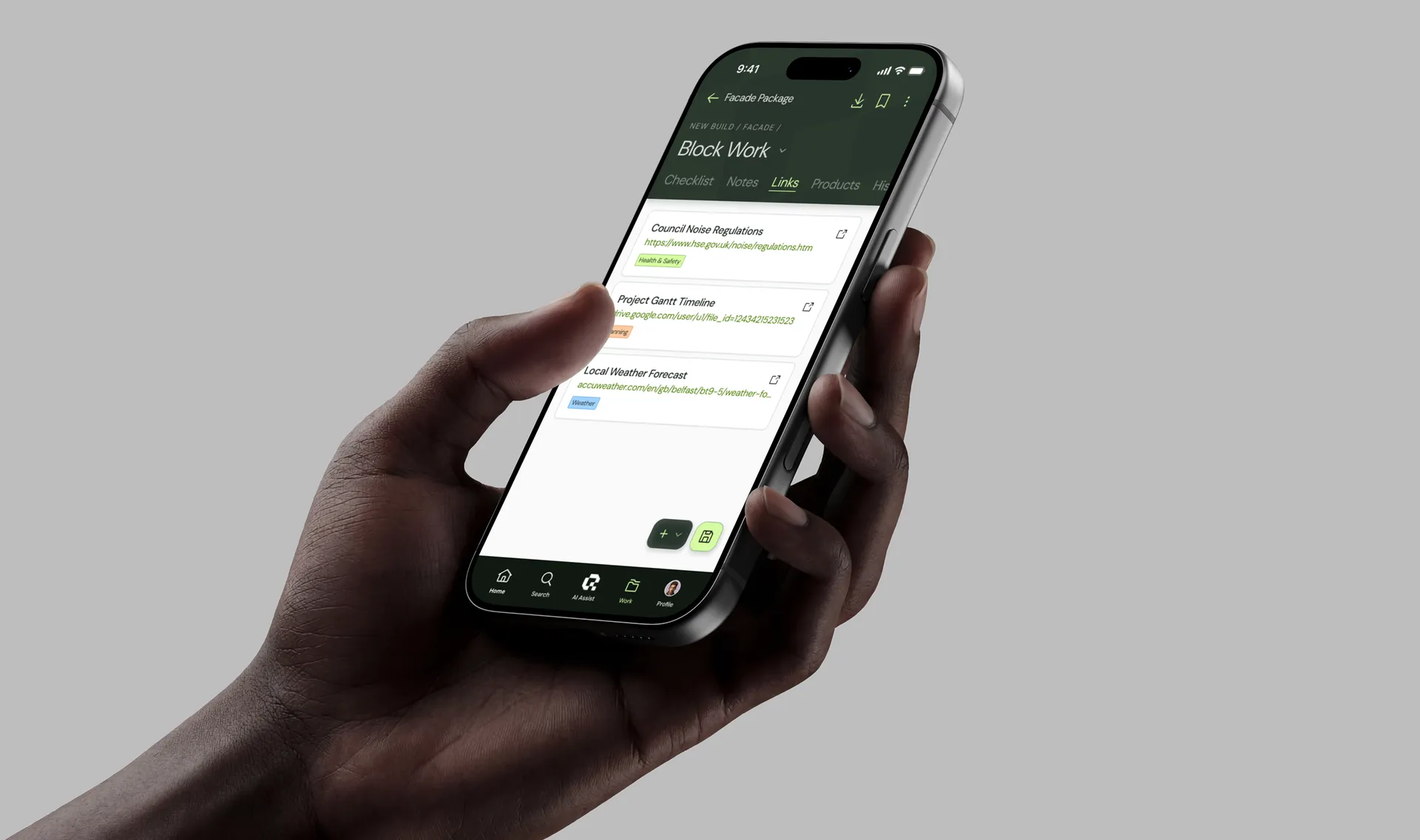
Climate Tech Software Development

Myth Digital is a climate tech software development company in Belfast and London. Our senior in-house team builds platforms that manage renewables, automate emissions tracking and power environmental decisions, shaped to your data sources, reporting standards and workflows rather than an off-the-shelf compromise.

  • Regulatory-ready reporting
  • Sensor and IoT integration
  • Scalable, hosted architecture
Since 2015 building custom software
100% designed and built in-house
300+ Projects delivered to market
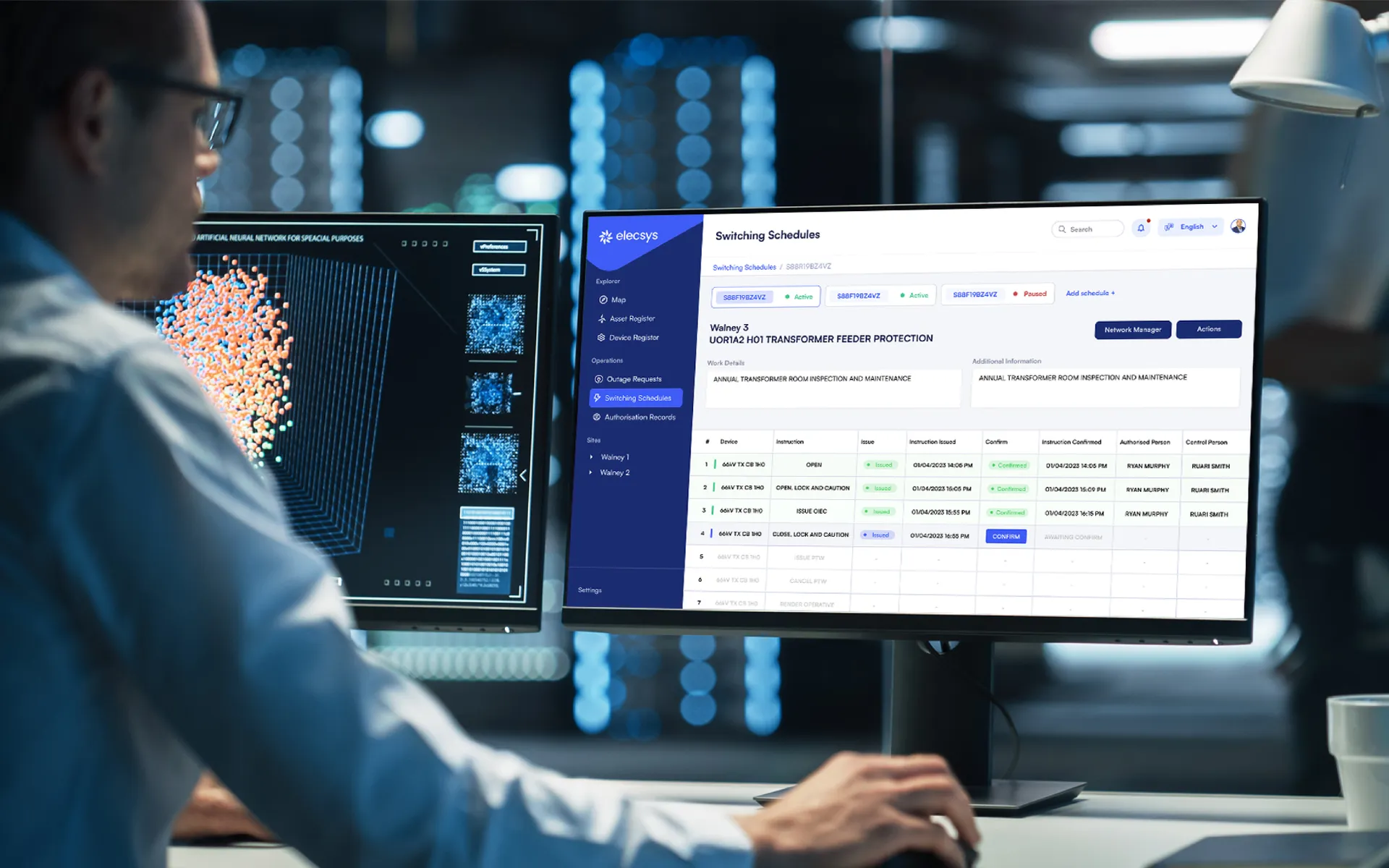
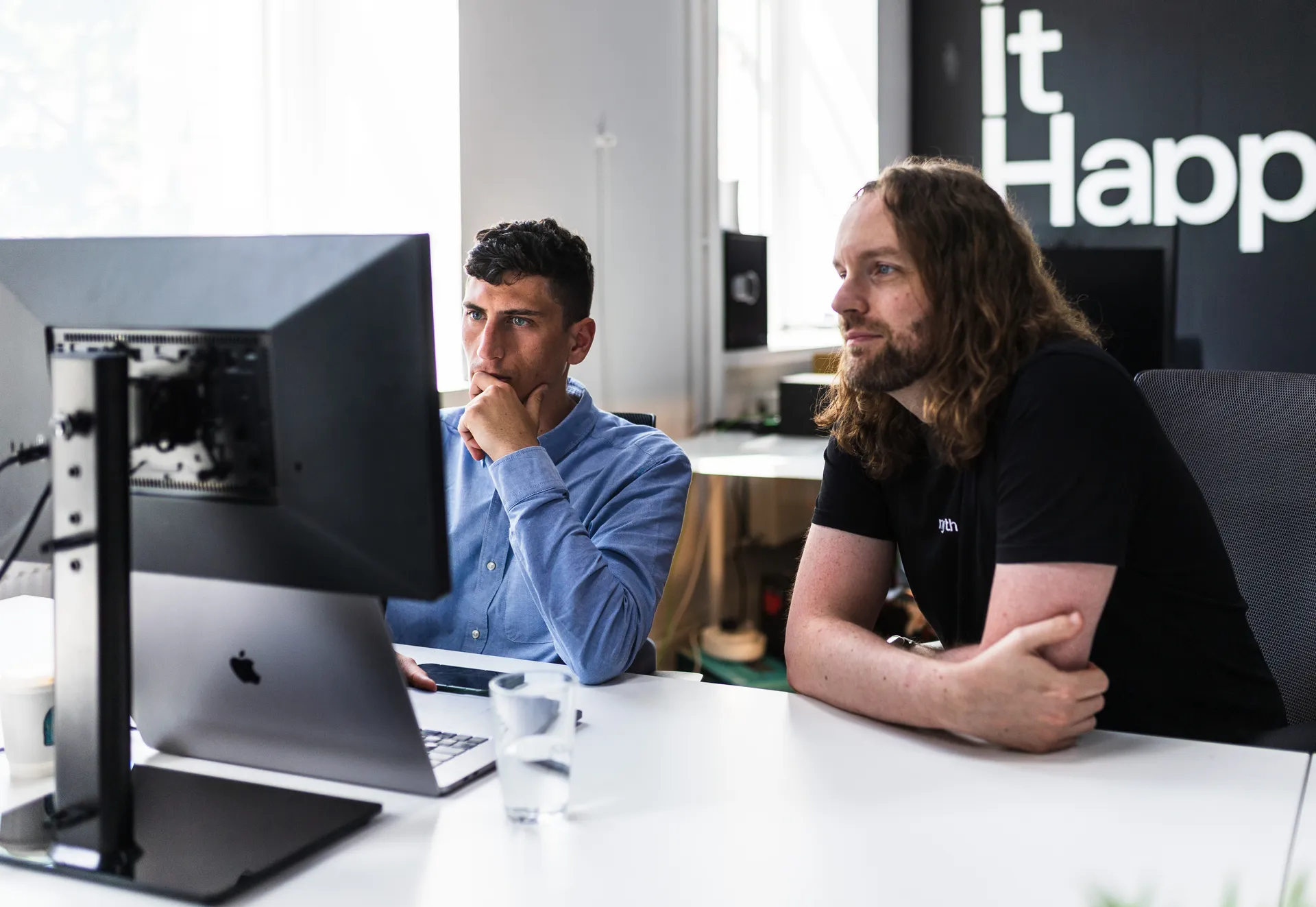
Myth Digital team at work in the studio tracking across a network of sites

We build custom climate tech software because off-the-shelf sustainability tools hit a wall. They can't ingest your sensor data, map it to GHG Protocol Scope 1, 2 and 3 categories, or flex around SECR and CSRD reporting requirements.

Manual workarounds pile up. Data sits in silos. Compliance risk grows quietly until audit season forces a scramble. Custom software connects your sources, models your workflows and creates a single auditable source of truth. We scope the problem in discovery, then build a platform that scales with your operations.

That means proper sensor integration, automated emissions calculations and reporting formats your auditors actually accept. No stitching spreadsheets together. No outgrowing a vendor's roadmap. When we built Elecsys, a platform for managing electricity network assets in the renewables sector, we solved exactly this kind of sensor-to-dashboard integration challenge. If your climate data lives in five different places and your team spends days reconciling it, custom software closes that gap permanently.


AlphaVictor
Bushmills
Coca-Cola
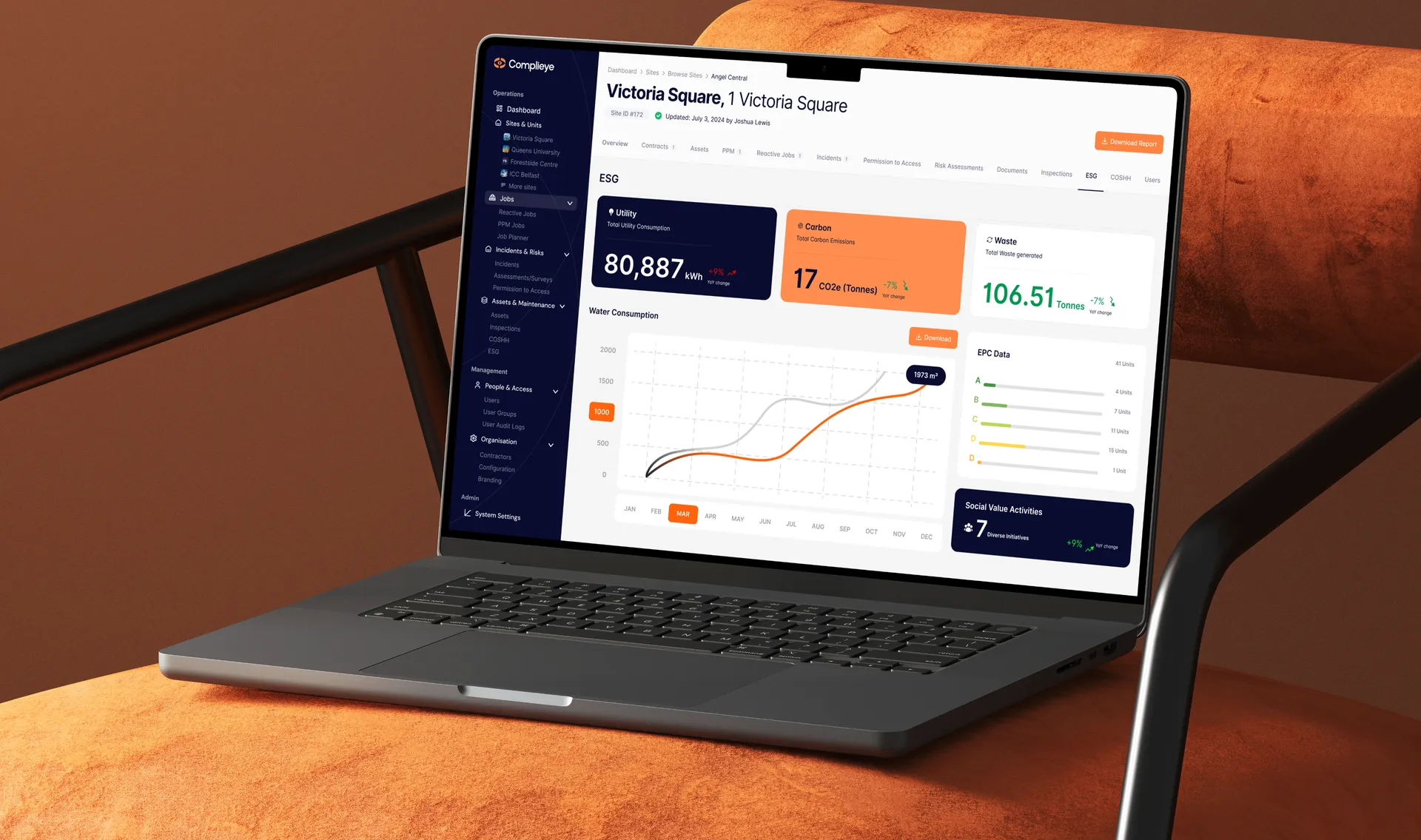
Complieye
Elecsys
Glen Dimplex
LifePass
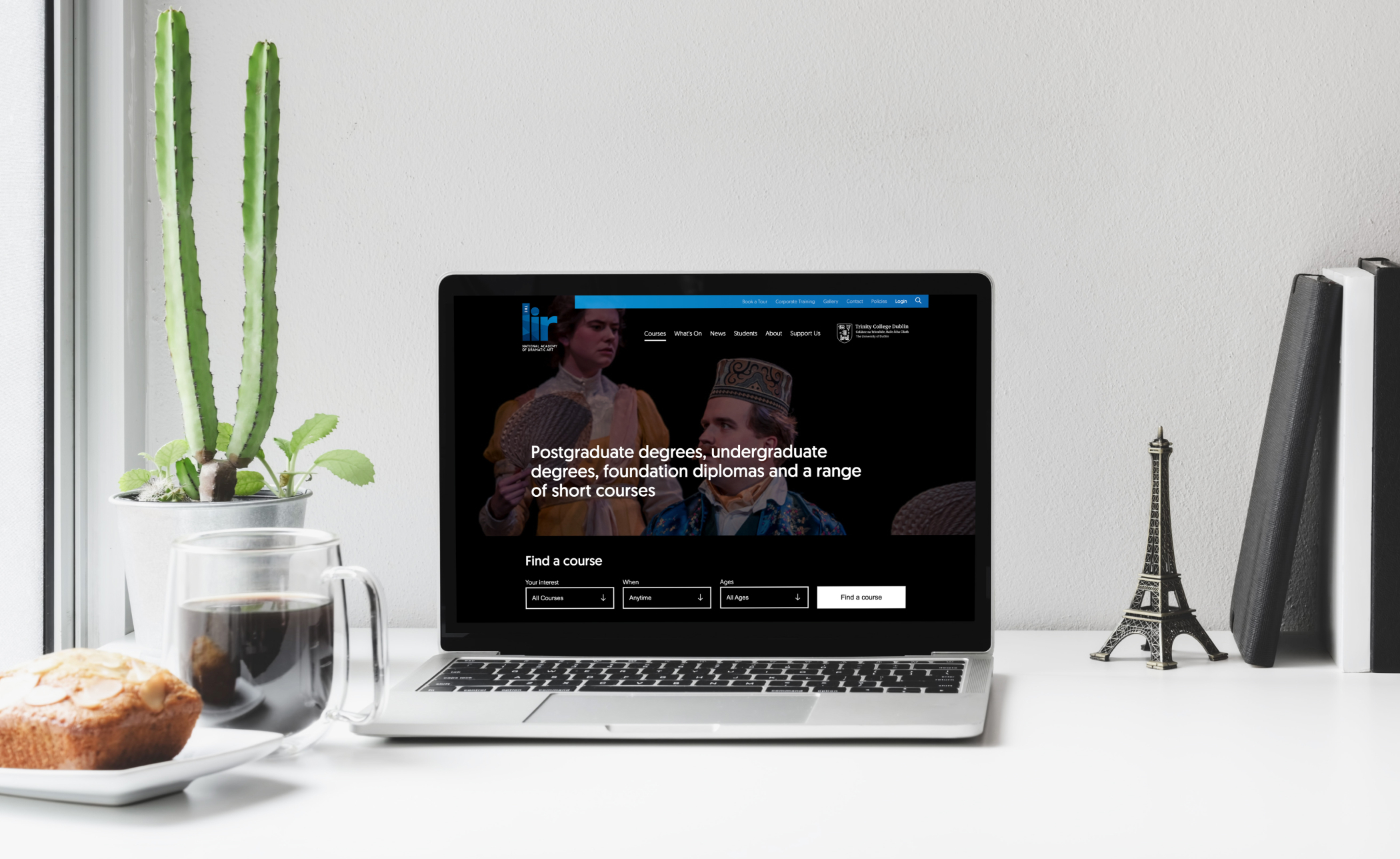
The Lir
NHS
The North Face
Perks
Queen's University
Deep RiverRock
SPAR

Which climate tech projects need custom software?

Off-the-shelf tools fall short when your data sources, workflows or reporting obligations are unique. These four project types consistently benefit from a ground-up build.

  • Energy

    Renewable Energy Management

    Grid operators and energy firms need platforms that ingest live generation data, forecast output and balance supply across sites with different hardware, tariff structures and grid connection rules. Generic dashboards can't handle that level of site-specific logic, let alone the regulatory reporting these organisations face.

  • Emissions

    Carbon Accounting Tools

    Scope 1, 2 and 3 reporting demands auditable data pipelines mapped to GHG Protocol categories. A purpose-built platform automates factor calculations and produces regulator-ready exports.

  • IoT & Sensors

    Sensor Data Dashboards

    Environmental monitors, smart metres and field sensors generate time-series data at volume. That data needs secure ingestion, buffering for patchy connectivity, clear visualisation for operations teams and retention policies that satisfy compliance.

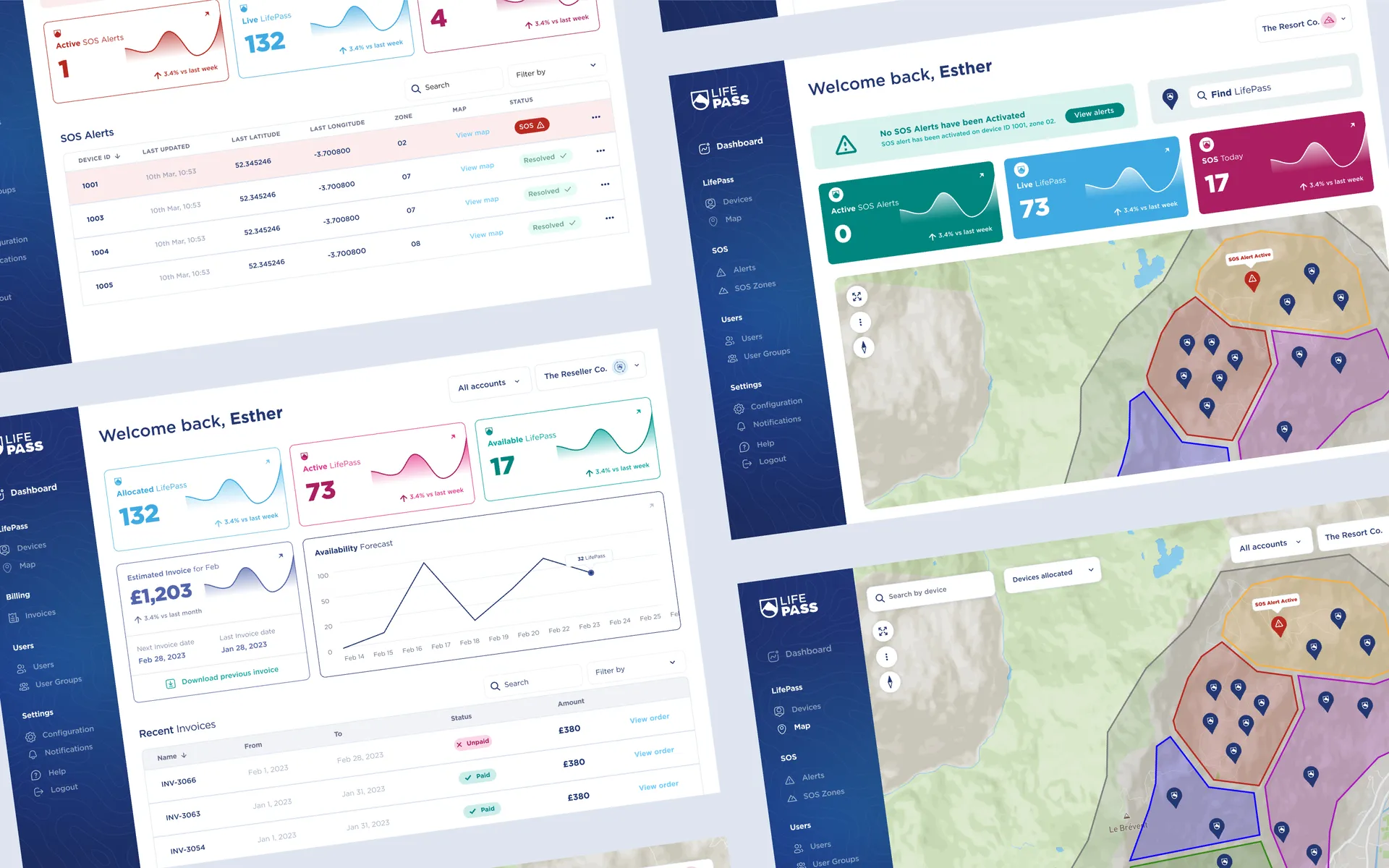
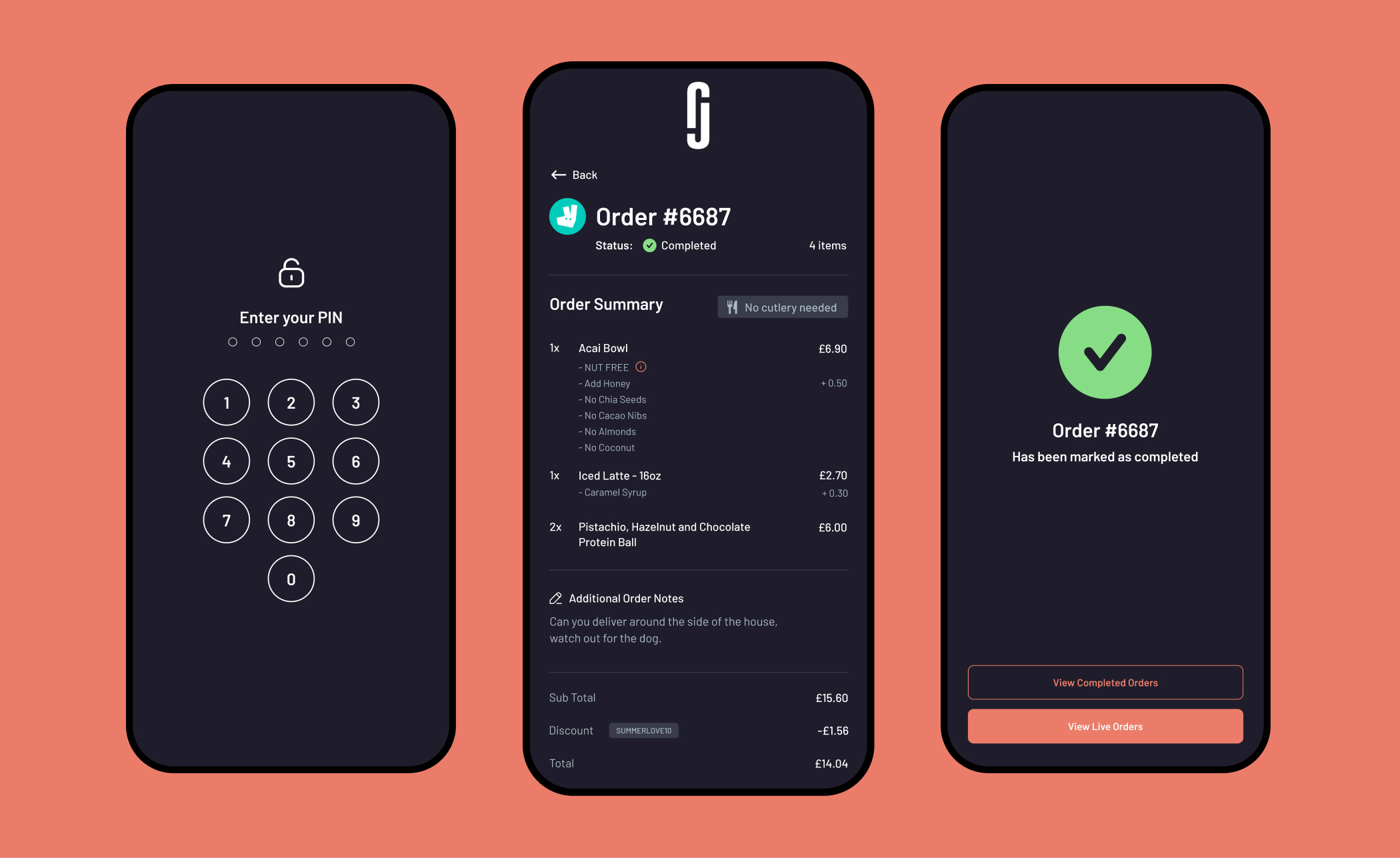
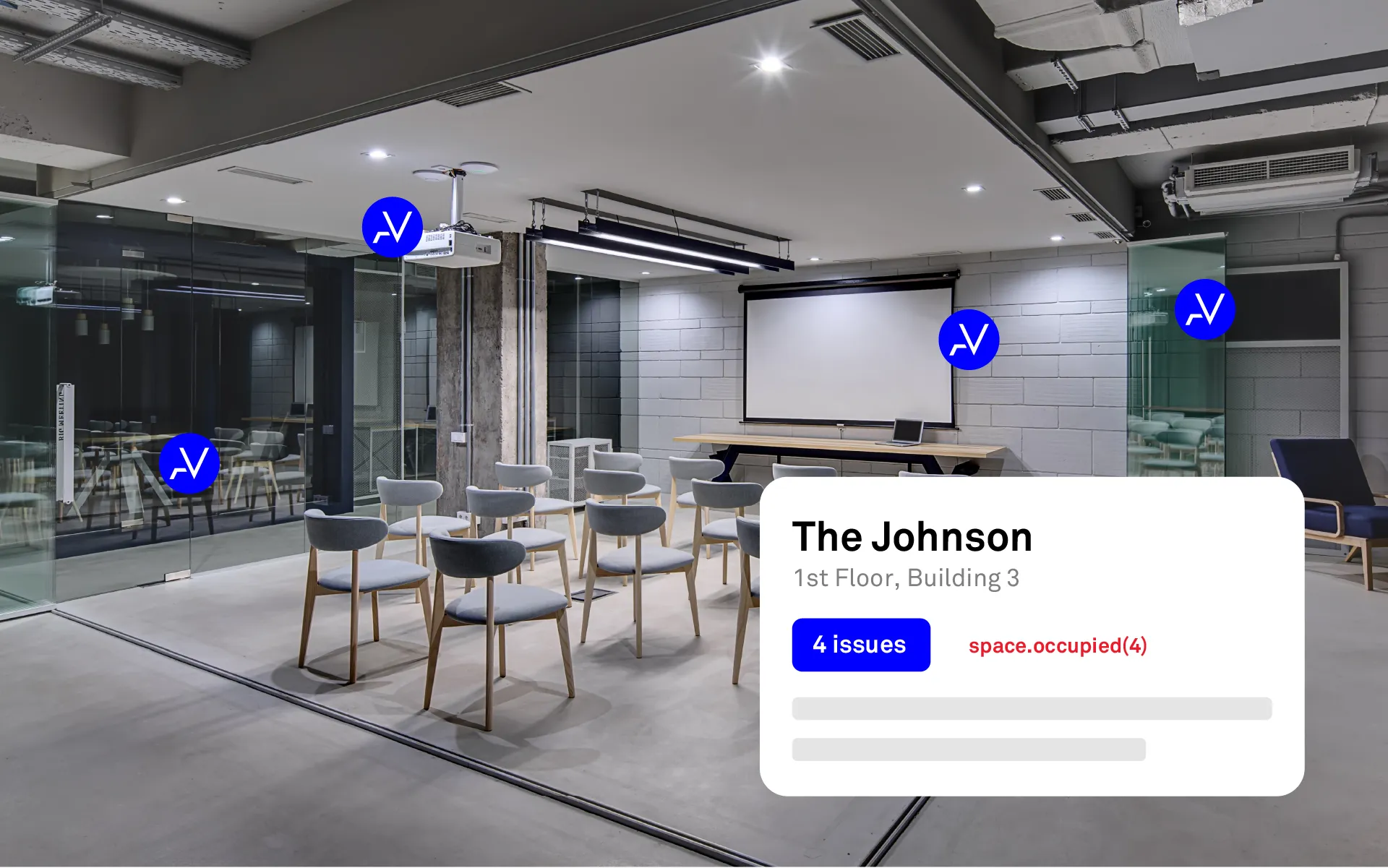
Screen from the LifePass case study and real-time monitoring alerts

What Your Climate Platform Must Do

Regulators and internal teams both need the same core capabilities: automatic data ingestion, GHG Protocol (Greenhouse Gas Protocol) mapping, auditable versioned reports and real-time alerts. They want a compliance-grade system they can trust, not a pretty dashboard.

  • Automated sensor and metre ingestion
  • Scope 1, 2 and 3 emissions mapping
  • Versioned, audit-ready regulatory reports
  • Real-time monitoring with threshold alerts

Platform Capabilities We Build

We build climate platforms that connect sensors, reporting, forecasting, compliance and scale.

Sensor and IoT Integration
Developer in green at a monitor showing a website

Sensor and IoT Integration

Getting reliable data from hardware in remote locations is harder than it sounds.

  • Secure device provisioning with zero-touch onboarding
  • Buffering for patchy connectivity in remote sites
  • Time-series ingestion with clear data retention rules
  • Protocol translation across MQTT, HTTP and proprietary device APIs
  • Automatic alerting when a device goes offline or reports anomalous readings
Emissions Reporting Engine
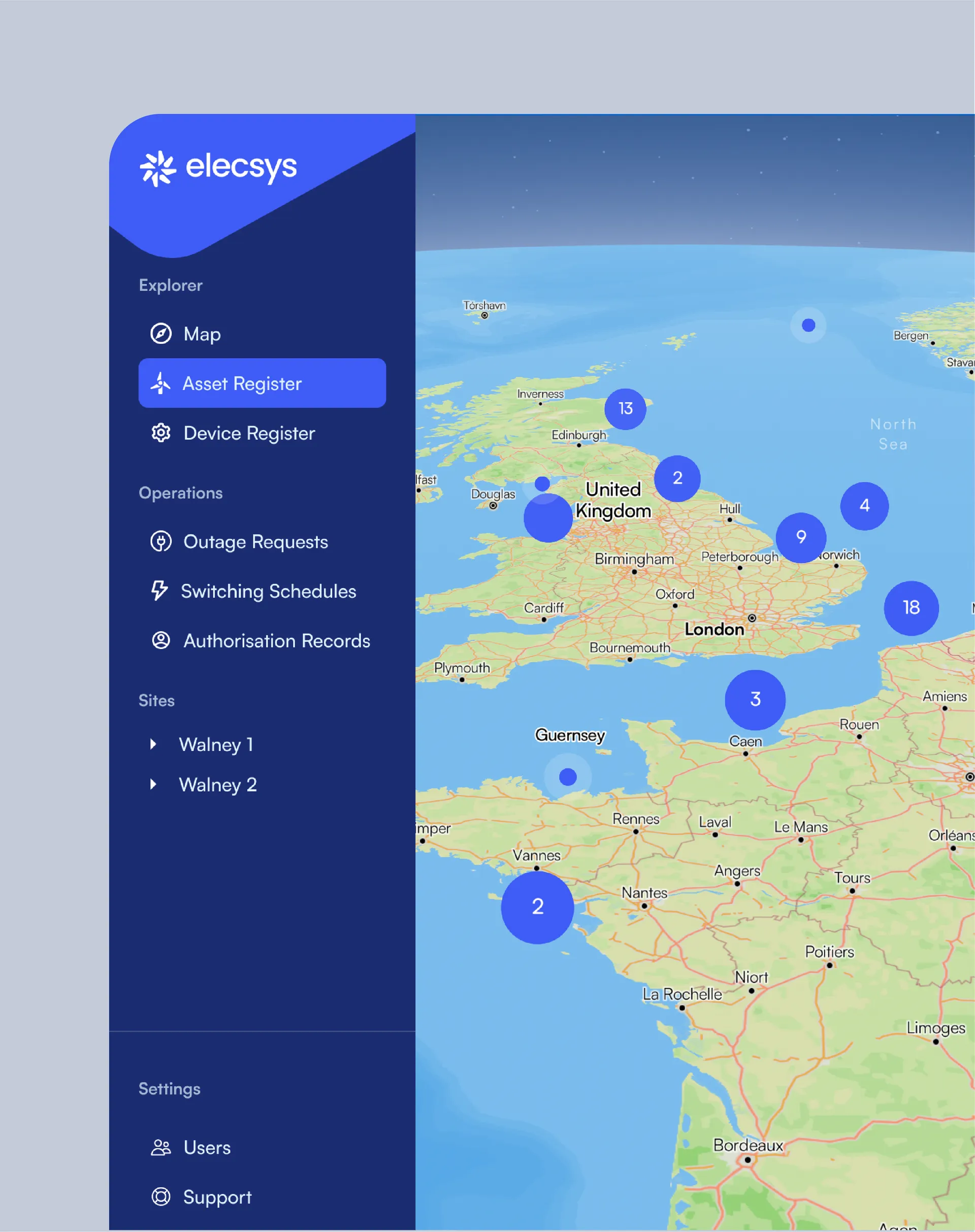
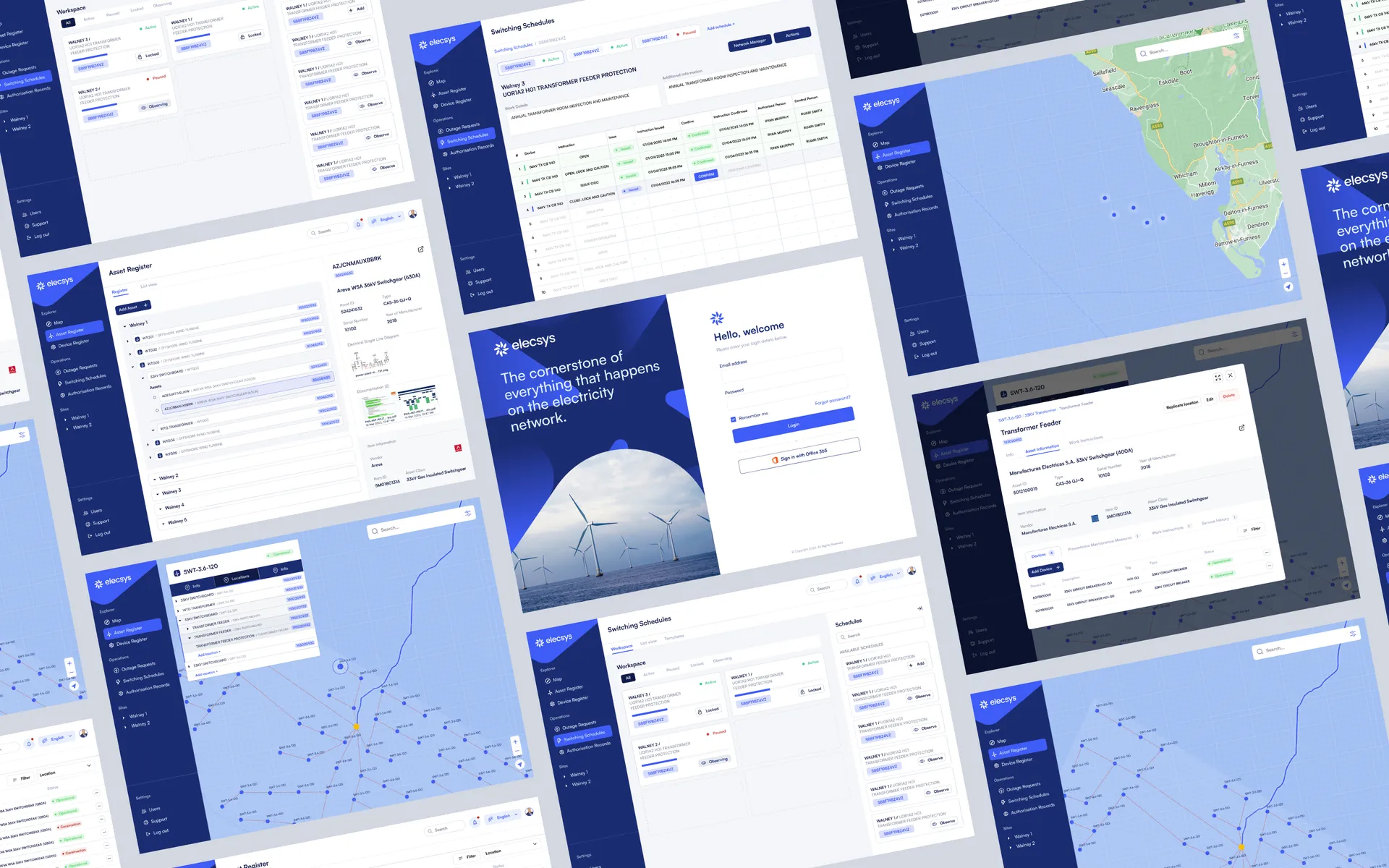
Screen from the Elecsys case study

Emissions Reporting Engine

You get regulator-ready reports without manual wrangling.

  • Scope 1, 2 and 3 mapping with automated validation
  • Versioned, auditable exports for regulators and auditors
Forecasting and Analytics
Person at a large monitor running a data-heavy web dashboard

Forecasting and Analytics

AI adds clear value in specific places, not everywhere.

  • Demand and generation forecasting models
  • Anomaly detection on live sensor streams
Compliance and Security
Two men sketching on a whiteboard with sticky notes

Compliance and Security

Audit readiness is built in from day one, not bolted on before a deadline.

  • GDPR-compliant with UK data residency on Azure
  • Role-based access and full audit trails
  • Encryption in transit and at rest across every layer
Scalable Architecture
Colour swatch books on a wooden ledge

Scalable Architecture

Rebuilding a platform twelve months after launch is expensive. We design to avoid it.

  • Start lean with an MVP, expand without rearchitecting
Myth Digital team running an in-person discovery workshop for a climate tech software project

Discovery First, Then We Build

Most climate tech projects start with unknown integrations, reporting rules and workflows that only exist on a whiteboard. We run an in-person discovery phase from our London or Belfast office to lock scope, milestones and a realistic budget before we write a line of code.

  • Senior in-house UK team, not outsourced
  • Locked scope before development starts
  • Predictable budget with milestone sign-offs
  • Faster route to a working product
AlphaVictor app Make it happen The North Face campaign AI development Newell Stores app Software development Juice Jar app App development MPS Data Discovery to deployment The Lir website In-house UK team

Why choose Myth as your climate tech software partner?

How does a climate tech software project work?

Every climate tech engagement follows the same transparent, phased structure. You see progress at every stage.

  1. Briefing and scoping call

    We meet in person or over video to understand your problem, data sources and reporting needs. You leave with a clear outline of what discovery will cover.

  2. Discovery sprint

    Our team researches your domain, maps architecture and locks scope into defined milestones with acceptance criteria. No code starts until you sign off the plan.

  3. Design and prototype

    We build interactive prototypes you can test with real users. This validates the concept before committing to a full build.

  4. Milestone-driven build

    Development runs in short sprints. At each milestone you get a working demo, review it against acceptance criteria and approve before we move on. No waiting months for a single handover.

  5. Testing, compliance and launch

    We run thorough QA and check regulatory and data requirements. Then we deploy to production so your platform works on day one.

  6. Ongoing support and iteration

    After launch we stay with you, monitoring performance and fixing issues. We build new features as your reporting needs or user base grows.

Recent projects from our team

Our track record

Building custom platforms since 2015

100%
designed and built in-house
2 offices
London and Belfast studios
Since 2015
The year Myth was founded
  • Senior team, no subcontracting

    The people you meet are the people who build your platform. Our engineers, designers and data specialists work together in-house across every project phase.

  • Discovery before a line of code

    Every engagement starts with in-person discovery at our London or Belfast office. We lock scope, define milestones and prototype before committing you to a full build.

  • Milestone-based delivery you can see

    We work in phases with clear deliverables and demo gates. You sign off progress at each stage rather than waiting for a single big-bang handover months later.

  • Operations-critical platforms

    We build for regulated, high-stakes environments. Role-based access, audit trails and secure hosting are standard. These are platforms teams rely on daily.

  • Cross-sector delivery experience

    Our team has shipped products for startups and established businesses across Europe and the US, spanning energy, facilities management, recruitment and consumer platforms.

  • Software and hardware integration

    Beyond pure software, we connect platforms with physical devices and third-party systems. Sensor data, hardware APIs and legacy integrations are part of our core delivery capability, not an afterthought bolted on later.

Myth Digital team at work in the studio software development partner

How do you choose a climate tech software partner?

The wrong partner costs you months and credibility. Before you sign, confirm the team you meet is the same team that builds your platform. Green flags: a structured discovery phase before any code, milestone delivery with clear sign-off points, and genuine understanding of environmental data workflows. Red flags: offshore handoffs after the sales call, no scoping phase, and vague timelines with nothing concrete behind them.
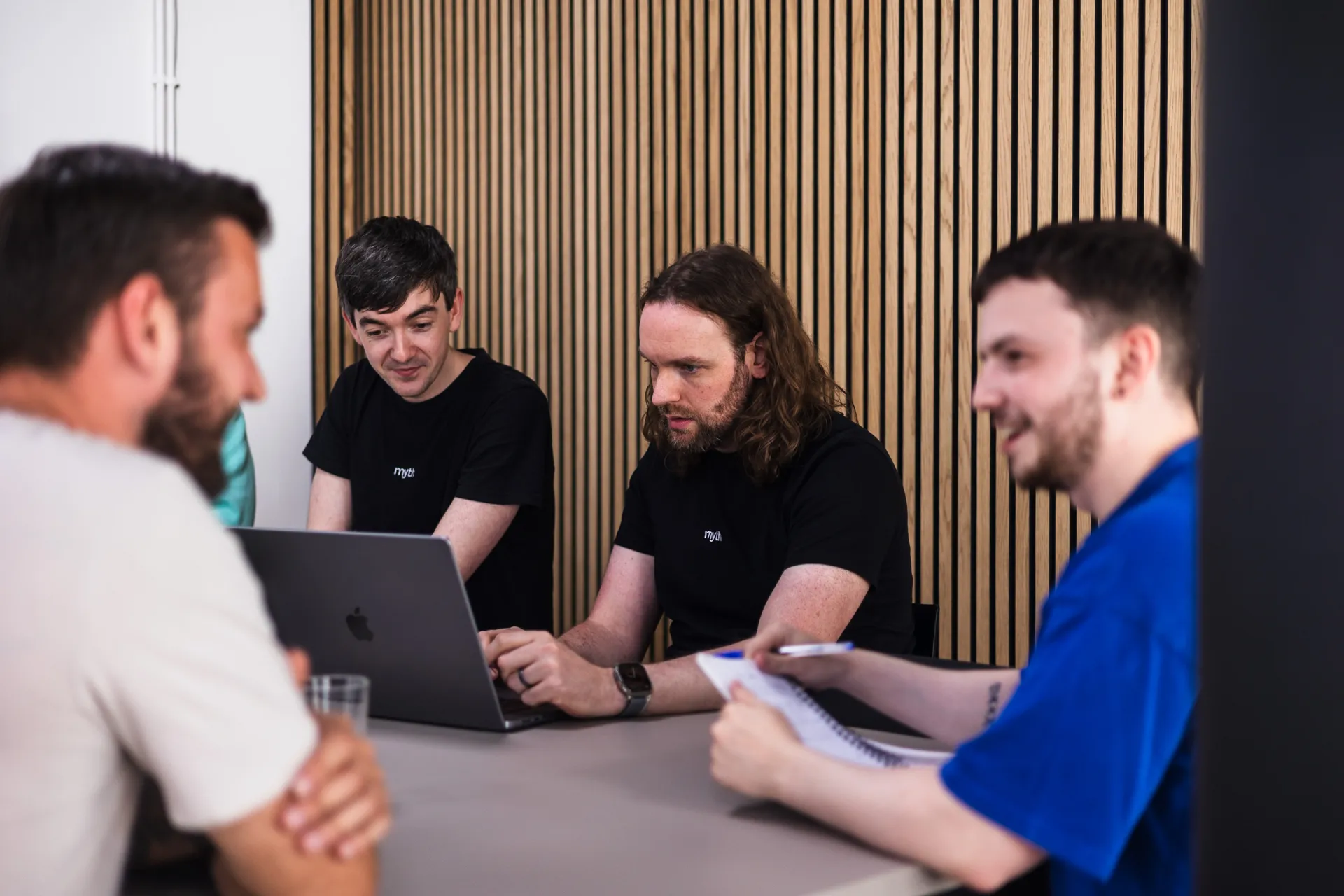

We run in-house engineering from our London and Belfast offices, prototype before committing to a full build, and lock scope so you can review progress at every stage.

  • In-house team builds your product
  • Discovery phase before any code
  • Milestone delivery with clear sign-off
  • Sector knowledge of environmental data

Are we the right fit?

We're honest about where we add value. Here's how to tell if we're the right partner for your climate tech project.

A great fit

  • You need custom software because off-the-shelf tools can't handle your data sources or workflows
  • You have complex integrations like sensors, metres or third-party environmental datasets
  • You face regulatory reporting requirements such as GHG Protocol or Scope-based emissions disclosures
  • You want a senior, in-house UK team building your product, not offshore juniors
  • You're ready to invest in a proper discovery phase before writing code

Not the right fit

  • You need a simple brochure website or basic WordPress site
  • You're looking for the cheapest possible option rather than the right one
  • You have no budget or willingness to run a discovery phase first
  • You want to skip scoping and jump straight into development without a plan
  • You need a rebrand or marketing campaign rather than a software product

How much does climate tech software development cost?

Every climate tech project is different. These tiers give you a realistic sense of what each stage delivers and how long it typically takes.

  • 2–4 weeks

    Discovery & Prototype

    from £10,000

    Turn your idea into a locked scope, validated architecture and clickable prototype you can test with stakeholders before committing to a full build.

    • In-person discovery workshop
    • Technical architecture document
    • Clickable prototype for user testing
    • Locked scope and milestone plan
    • Realistic budget and timeline estimate
  • 3–6 months

    Bespoke Build

    from £30,000

    A launch-ready platform built in phases with sprint demos, so you see progress and sign off each milestone rather than waiting for a big-bang delivery.

    • Full platform design and build
    • Milestone-based delivery with demo gates
    • Sensor or data-source integrations
    • Role-based access and audit trails
    • Hosted and production-ready on launch
  • Rolling

    Retainer

    from £2,000/mo

    Keep your platform accurate and compliant as standards and data sources change. We maintain integrations, update reporting and add features as you grow.

    • Sensor and data-source integration upkeep
    • Reporting updates as emissions standards change
    • Hosting, security and performance monitoring
    • New features from a shared backlog
    • Monthly progress review

All engagements begin with a discovery call. Final scope and milestones are agreed before any build work starts.

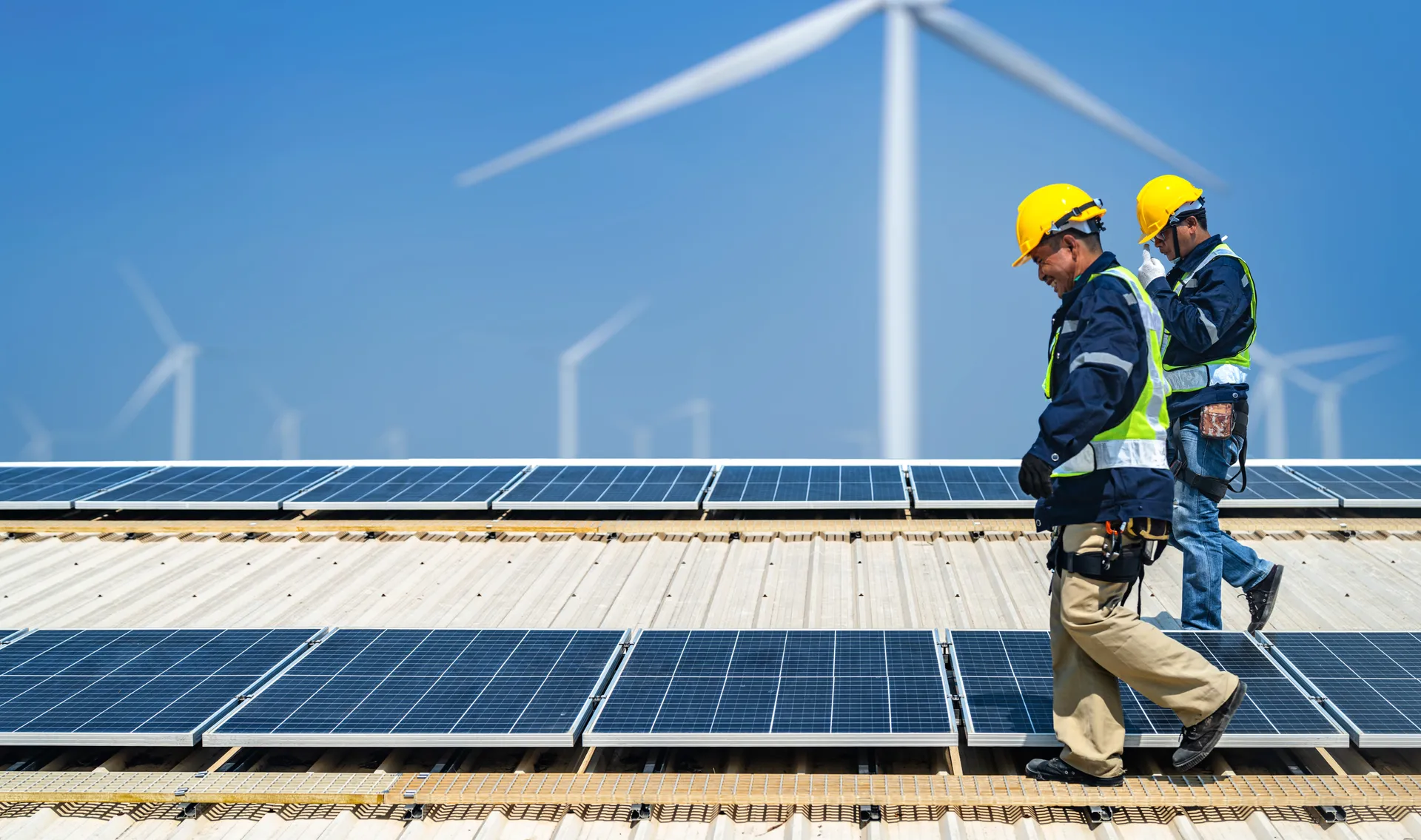
Aerial view of a wind farm and solar array connected to a modern grid monitoring station
FAQ

Climate tech software FAQs

What is Myth’s approach to climate tech software?

Our agile methodology and collaborative design thinking ensure responsive and adaptable software development. We deeply understand the climate tech sector and offer modular, scalable solutions tailored to your needs. We also use cutting-edge technologies like edge computing and sustainability analytics and deliver innovative tools that drive measurable environmental and commercial impact.

How do platforms measure and report emissions?

Platforms ingest data from metres, sensors and invoices, then map it to Scope 1, 2 and 3 categories and apply emissions factors. We build in automated validation and versioned exports compatible with regulators.

Do climate-tech platforms need AI?

Not always. AI adds clear value for demand forecasting, anomaly detection on sensor streams and predictive maintenance. We typically recommend starting with deterministic tracking, then layering in models where they reduce cost or risk.

Can platforms integrate IoT sensors and metres?

Yes. We use secure device provisioning, time-series data ingestion and buffering for unreliable connectivity. Data flows to the cloud for processing, with configurable rules for retention and latency.

How long does it take?

This is a lightweight audit. We keep it to 30 minutes, which is more than enough time to have a look and give you some suggestions and a mini-report.

What emissions standards should my platform support?

Most platforms need GHG Protocol and Scope 1, 2 and 3 categorisation at minimum. ISO 14064 matters if you need third-party verification. We configure reporting logic to match the standards your auditors require.

How is energy data kept secure?

We implement role-based access, audit trails and encryption in transit and at rest. Hosting on UK Azure infrastructure meets data-residency needs. We also build to support GDPR compliance for any personal telemetry data.

We write about software development

Ready to build climate tech?