Startup Prototyping: Validate Before Build

Myth Digital is a software development agency in Belfast and London. You don't need to build the full product to know if it works: our senior in-house team creates clickable prototypes and runs real user tests so you get honest answers quickly, before committing serious time or budget.

  • Clickable prototype delivered
  • Real user test results
  • Validated direction forward
Since 2015 Building digital products in-house
100% In-house UK design and build
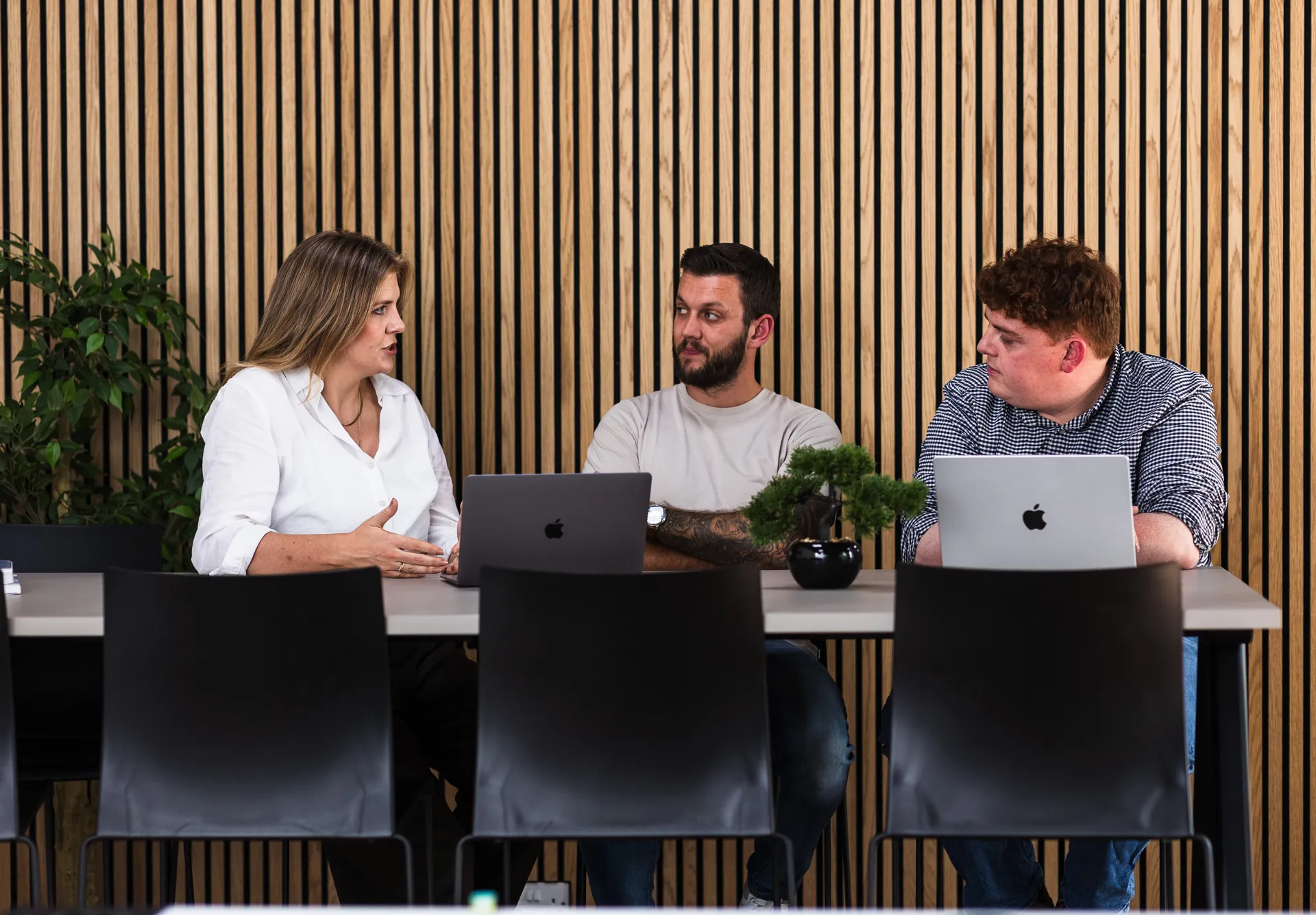
Myth Digital team at work in the studio testing session at Myth Digital's studio

Validate ideas before you build

Most startups build too much too soon. A founder spots a gap, sketches features and jumps straight into development. Months later the budget is gone and users aren't engaged. A faster route exists: create a clickable prototype, put it in front of real people and learn what actually works before writing production code.

We run this cycle in weeks, not months. You get recorded user sessions, clear findings and a tested design ready for engineering. You protect your runway and only build what customers want.

AlphaVictor
Bushmills
Coca-Cola
Complieye
Elecsys
Glen Dimplex
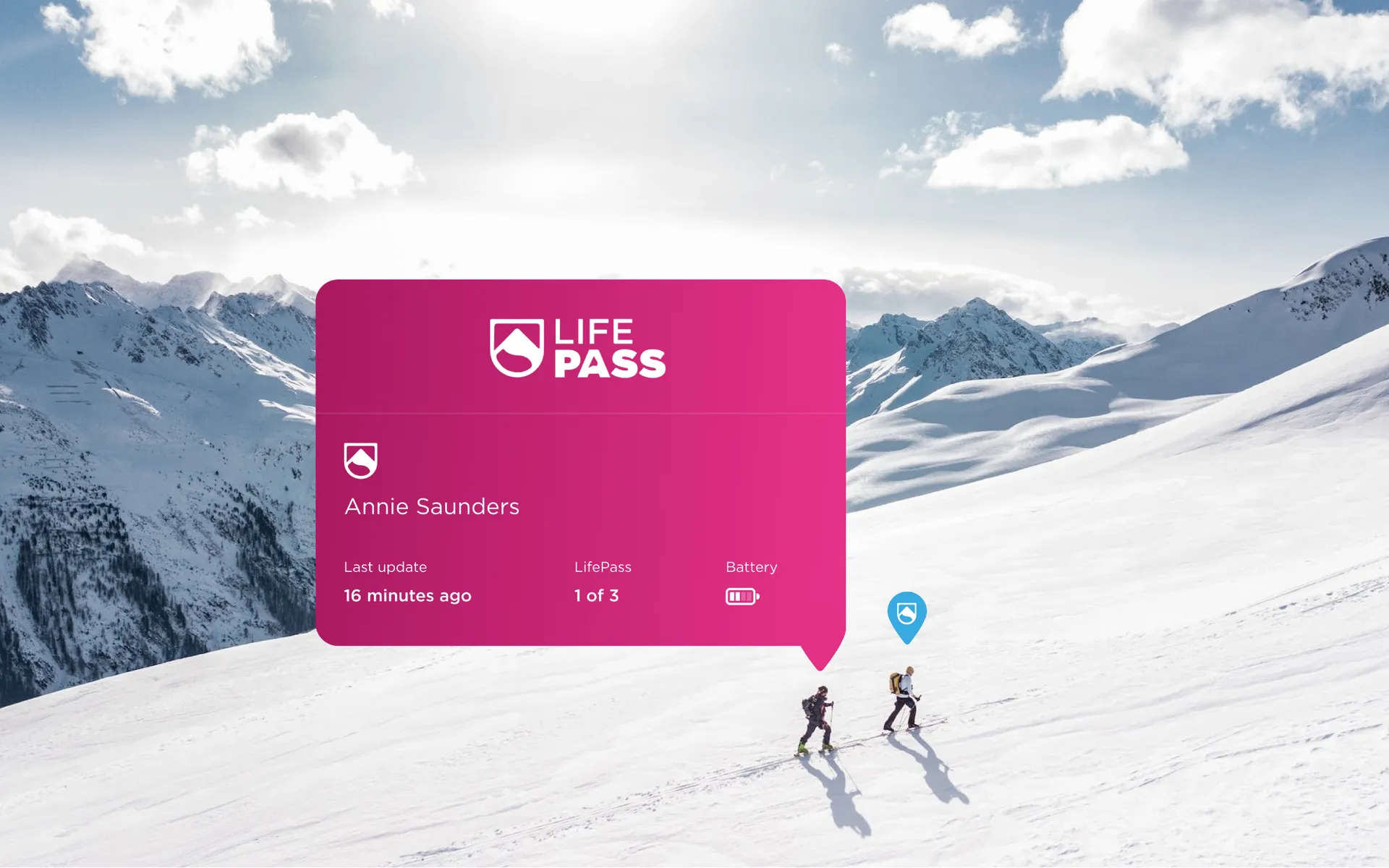
LifePass
The Lir
NHS
The North Face
Perks
Queen's University
Deep RiverRock
SPAR

What do you get from startup prototyping?

Every prototyping engagement delivers four clear outputs, each designed to reduce risk before you commit to a full build.

  • 01

    Discovery & assumption mapping

    We identify the riskiest assumptions behind your idea and prioritise the ones worth testing first. You get a focused plan, not a generic checklist.

  • 02

    Interactive clickable prototype

    A realistic, tappable prototype your target users can actually try. It looks and feels like a real product, ready for honest feedback.

  • 03

    Real user testing sessions

    Moderated sessions with recorded insights from real people. You watch users react, not guess what they might think.

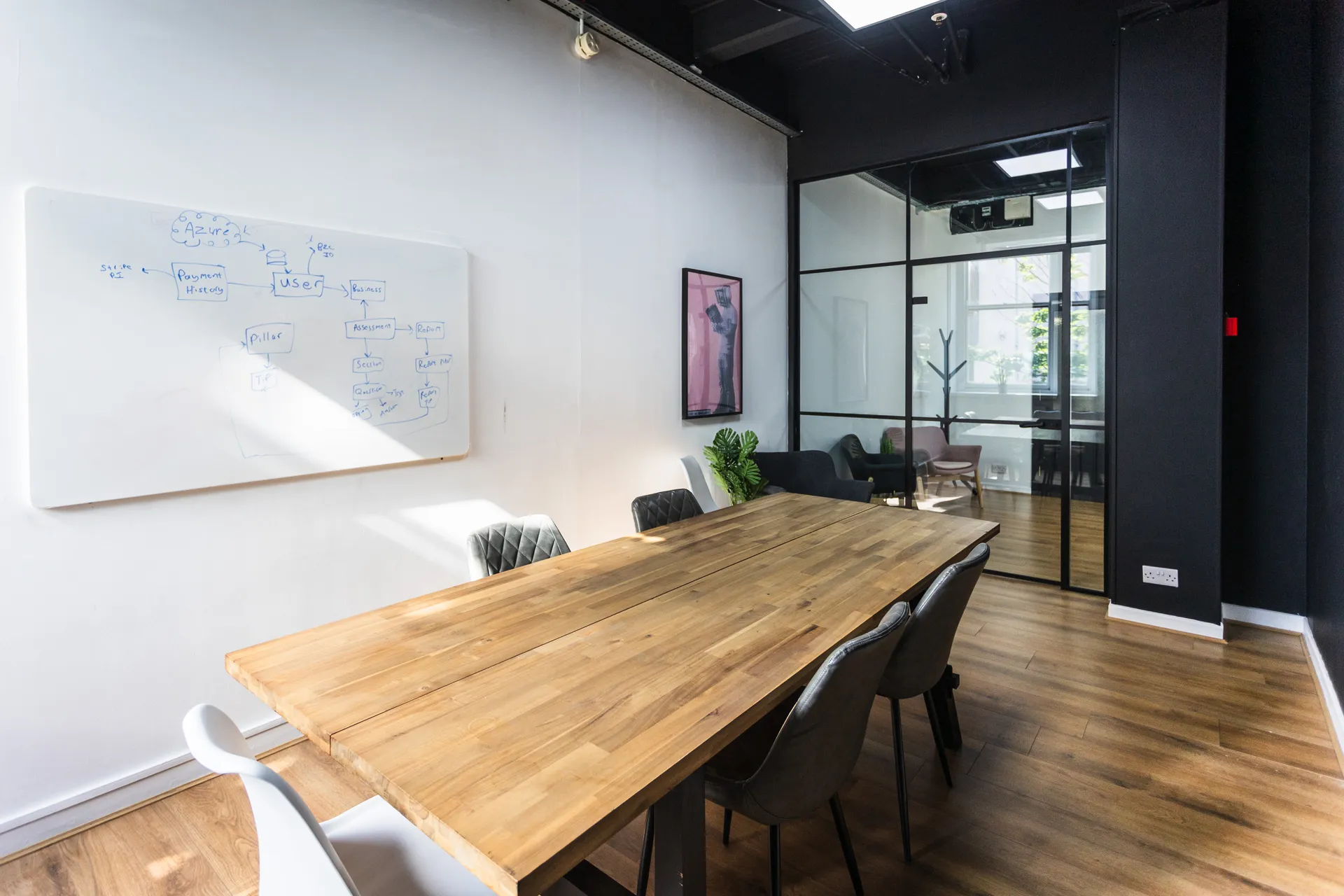
Meeting room with a whiteboard and glass partition

More than wireframes you can tap

Clickable prototypes look and behave like real products. Screens respond to taps, forms accept input, and navigation feels finished. We build low- or high-fidelity versions depending on what you need to prove.

  • Low-fidelity validates flow and structure fast
  • High-fidelity convinces investors and test users
  • Every screen is tappable, not a static PDF
  • Ready for real user testing from day one

What should you test in your prototype?

Challenge your riskiest assumptions first. Here's what to measure.

Does the value proposition land?
Myth branded sweatshirt and cards on a desk

Does the value proposition land?

Check whether people actually want this.

  • First-click engagement and interest signals
  • Qualitative feedback on perceived value
Can users complete the task?
Three people at laptops by a wall of sticky notes

Can users complete the task?

Confirm users finish the core action unaided.

  • Task success rate per screen
  • Time on task versus expected benchmark
Will users sign up or pay?
Framed posters on a white wall

Will users sign up or pay?

Gauge real conversion intent early.

  • Sign-up or purchase button clicks
  • Drop-off points before commitment
Which features matter most?
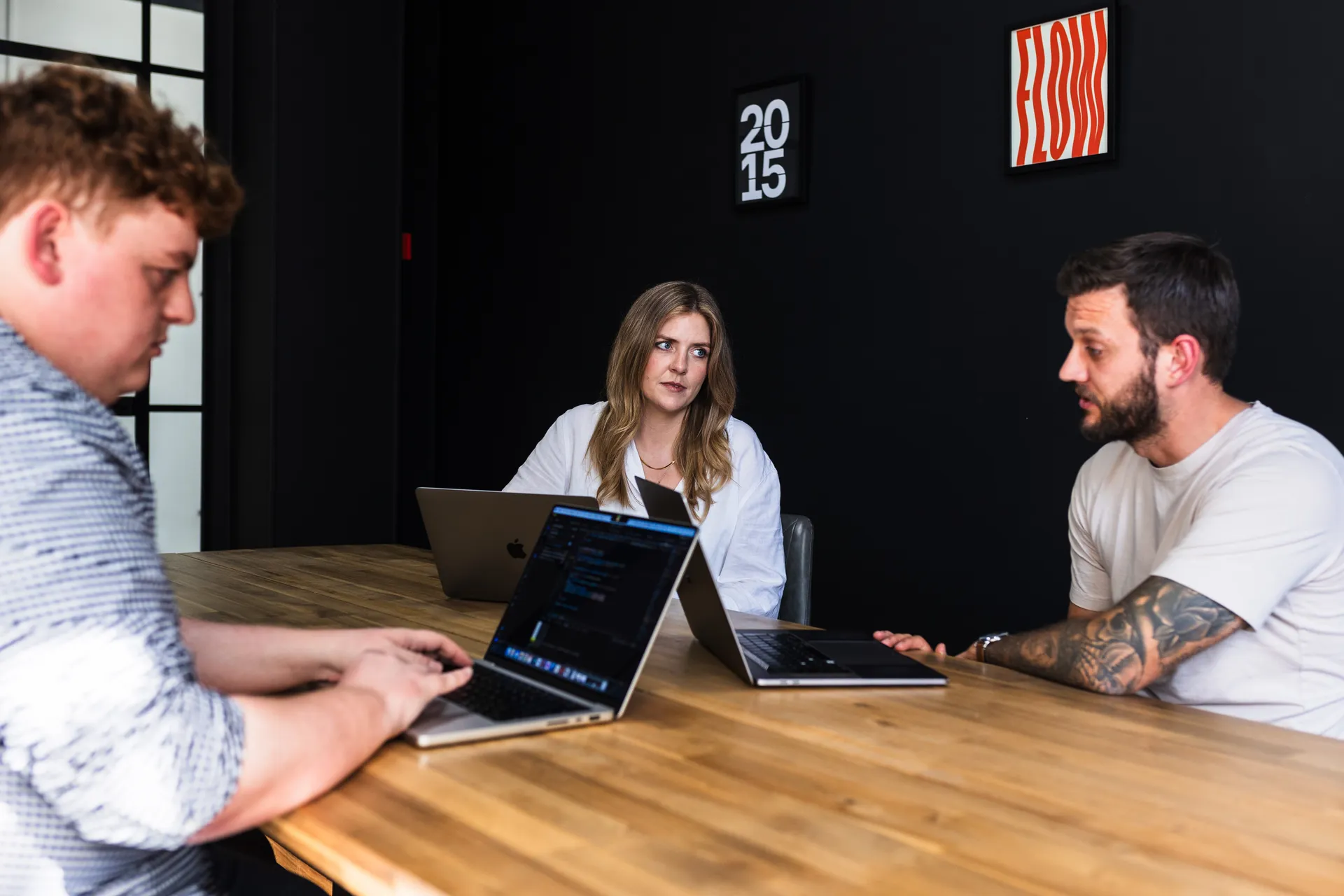
Three people at a table in the dark meeting room with the 2015 print

Which features matter most?

Rank features by actual user demand.

  • Feature preference in post-test ranking
  • Unprompted mentions during sessions
Is the flow intuitive?
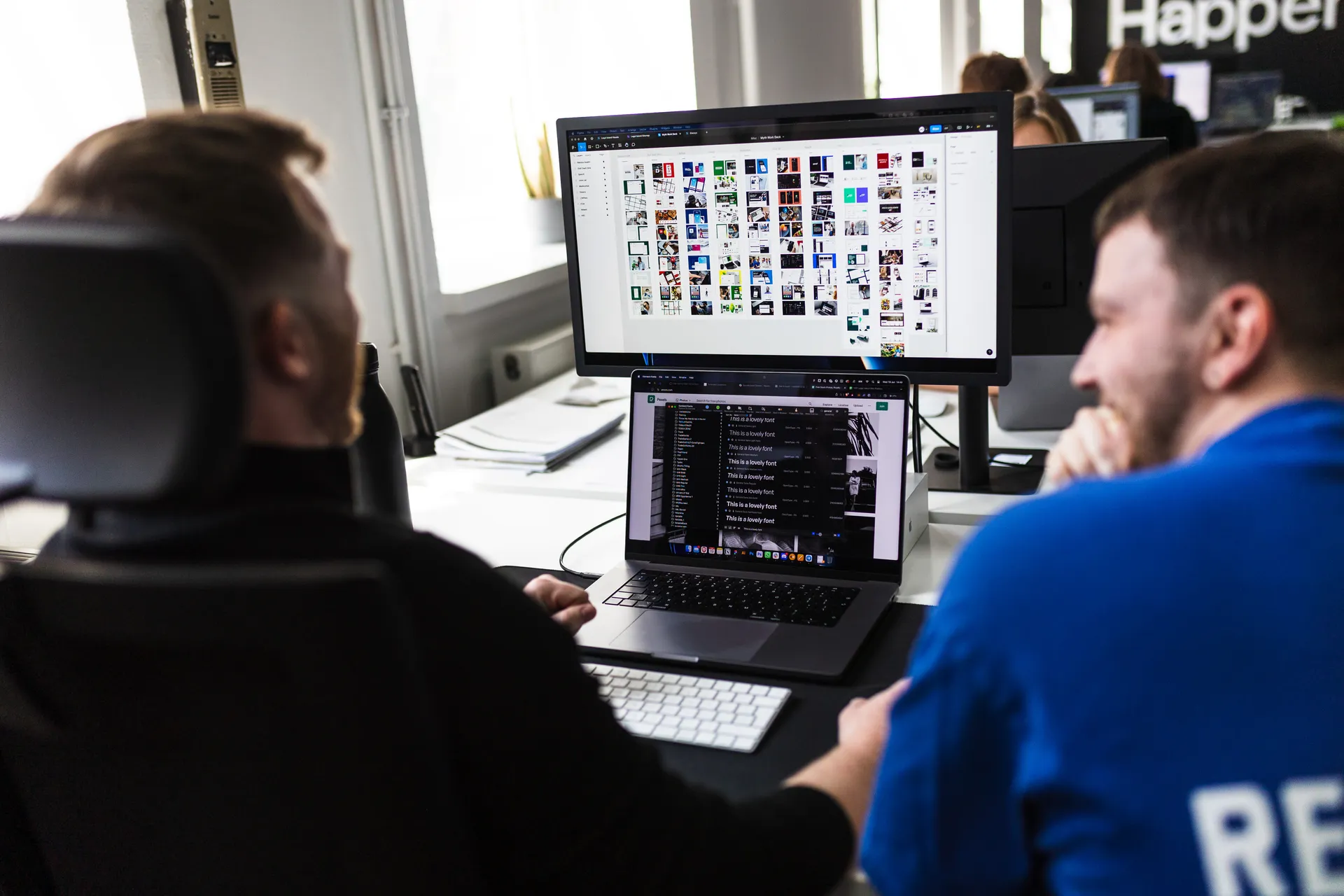
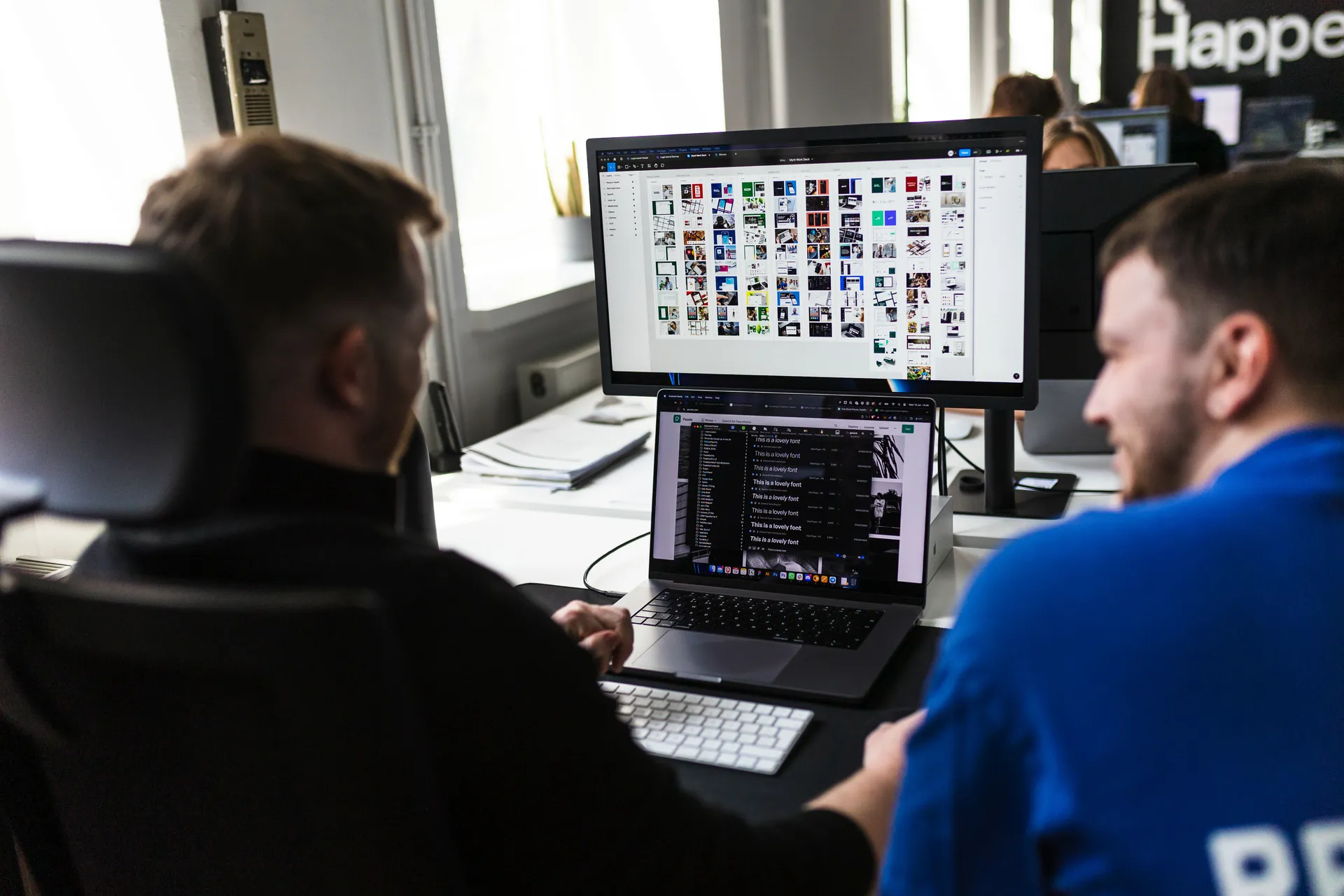
Two developers with a monitor full of design thumbnails and code on a laptop

Is the flow intuitive?

Spot where users hesitate or get lost.

  • Navigation errors and wrong turns
  • Ease-of-use ratings after each task
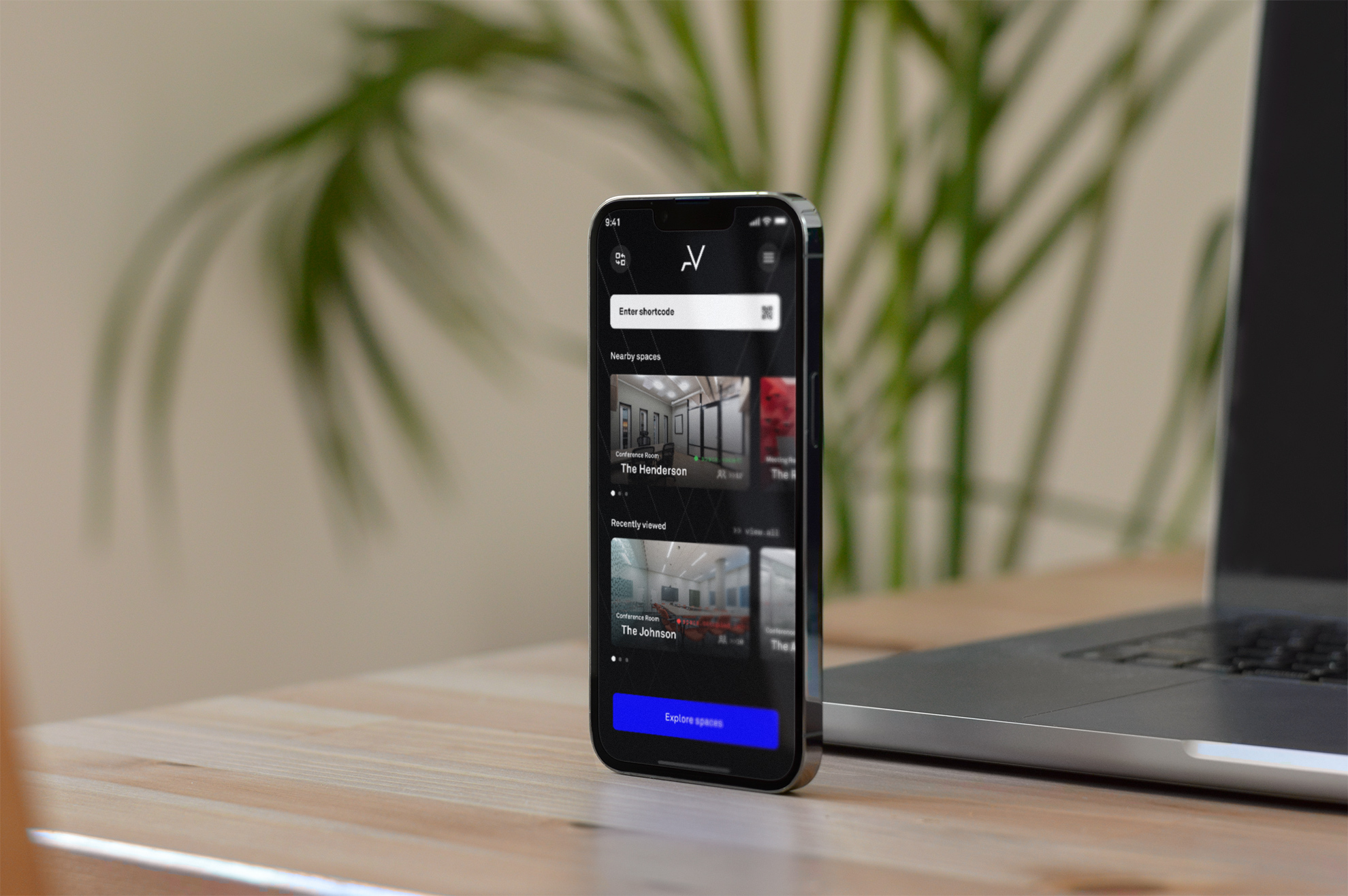
Myth Digital team at work in the studio a clickable prototype

How many users should you test?

In our experience, five users typically surface most usability problems in a single round. Run two or three quick rounds of five: test, fix, then test again. You'll iterate faster than with one large study.

  • Moderated remote sessions work best for early prototypes and complex flows, guided and conversational
  • Unmoderated testing lets users try things independently at scale, ideal for task-success metrics
  • Guerrilla testing gives you fast, informal feedback in days. Cheap, quick and great for early concept checks
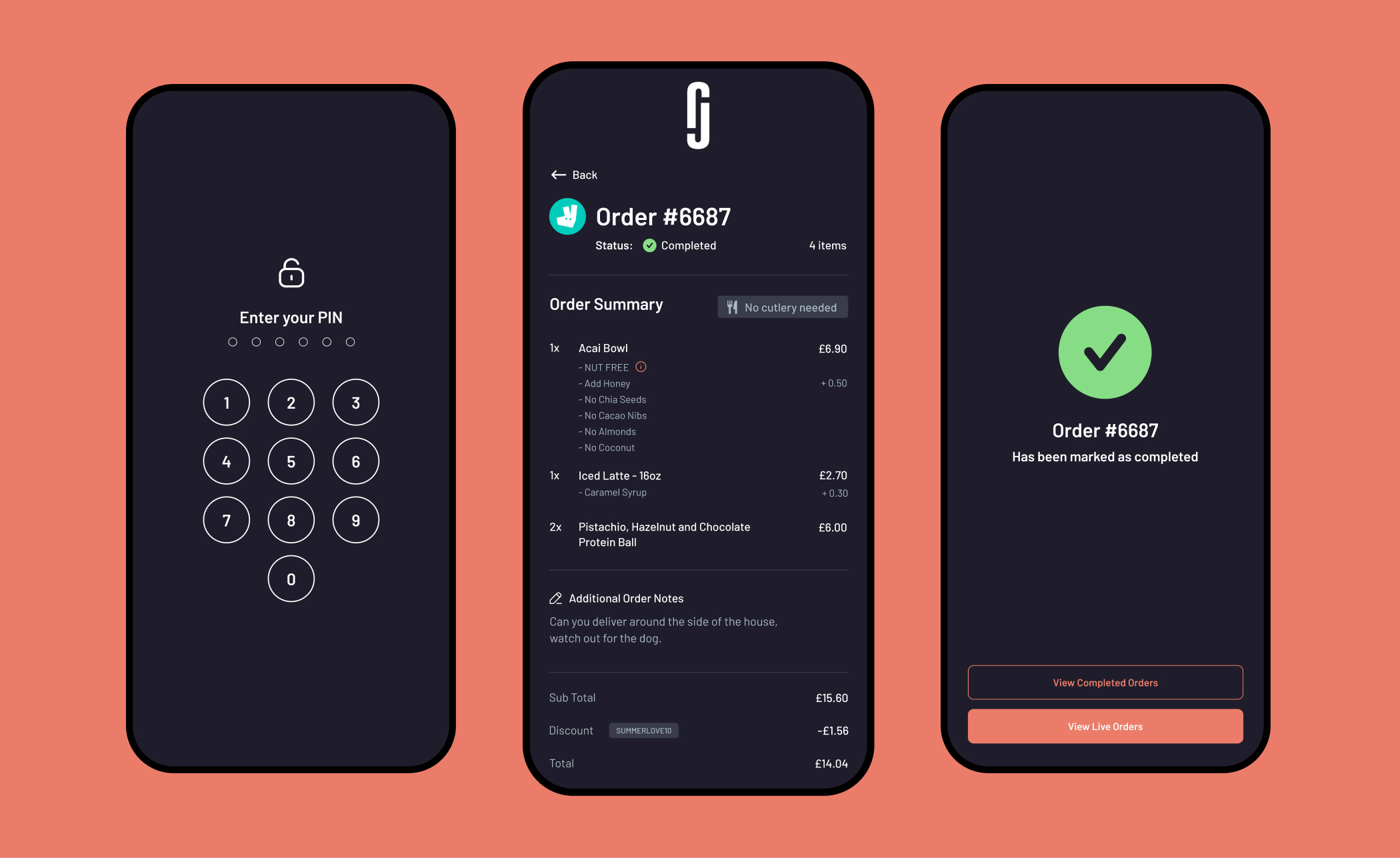
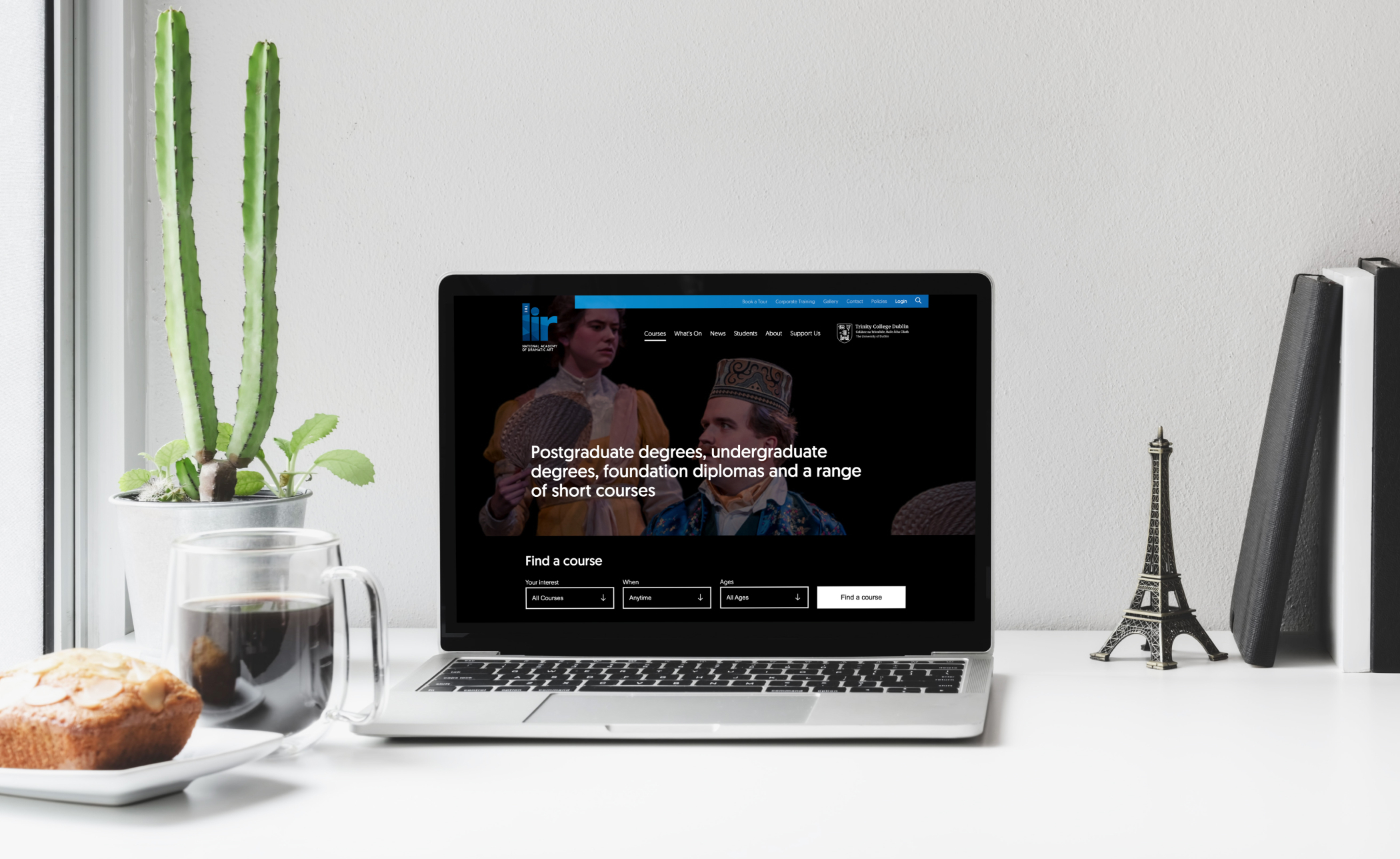
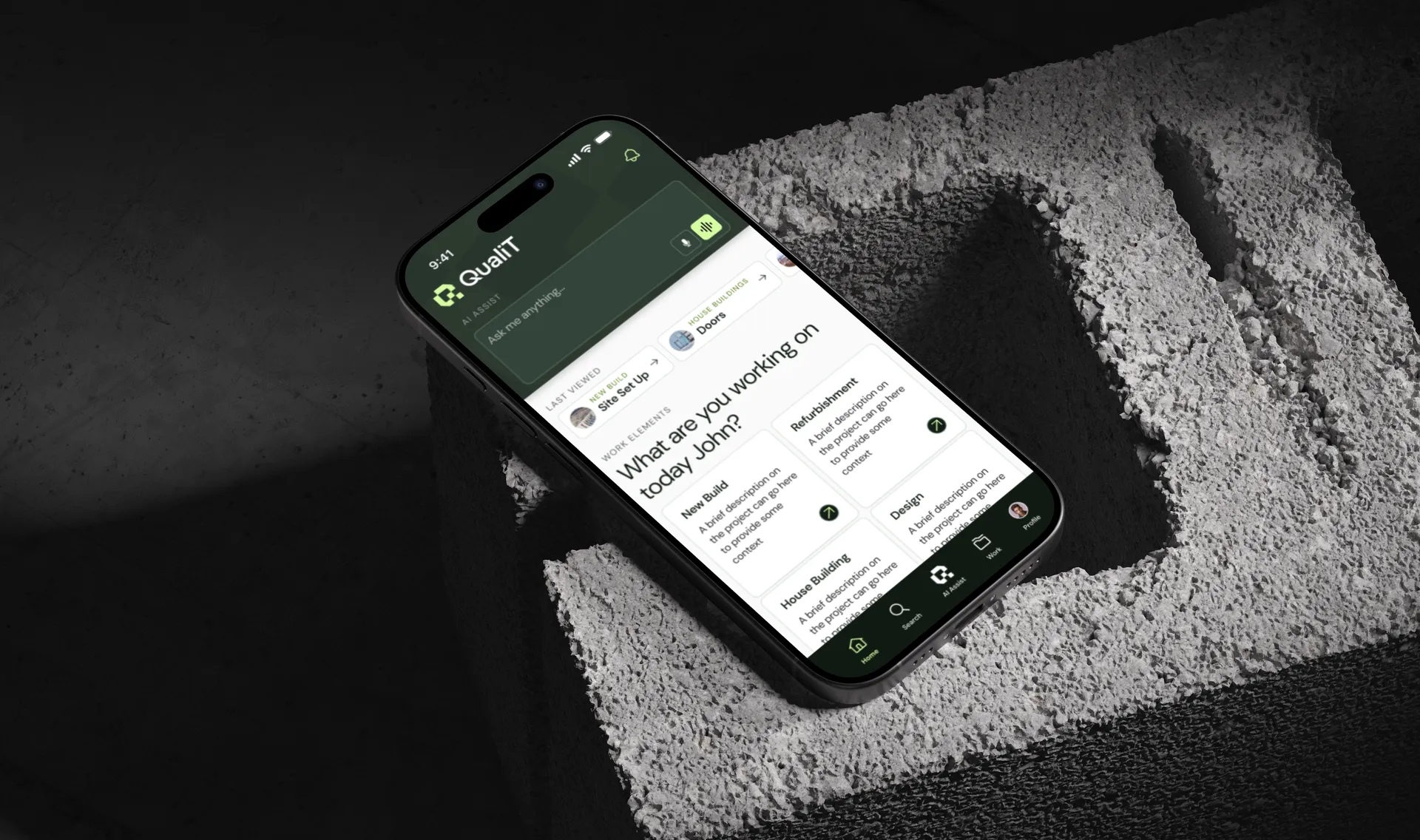
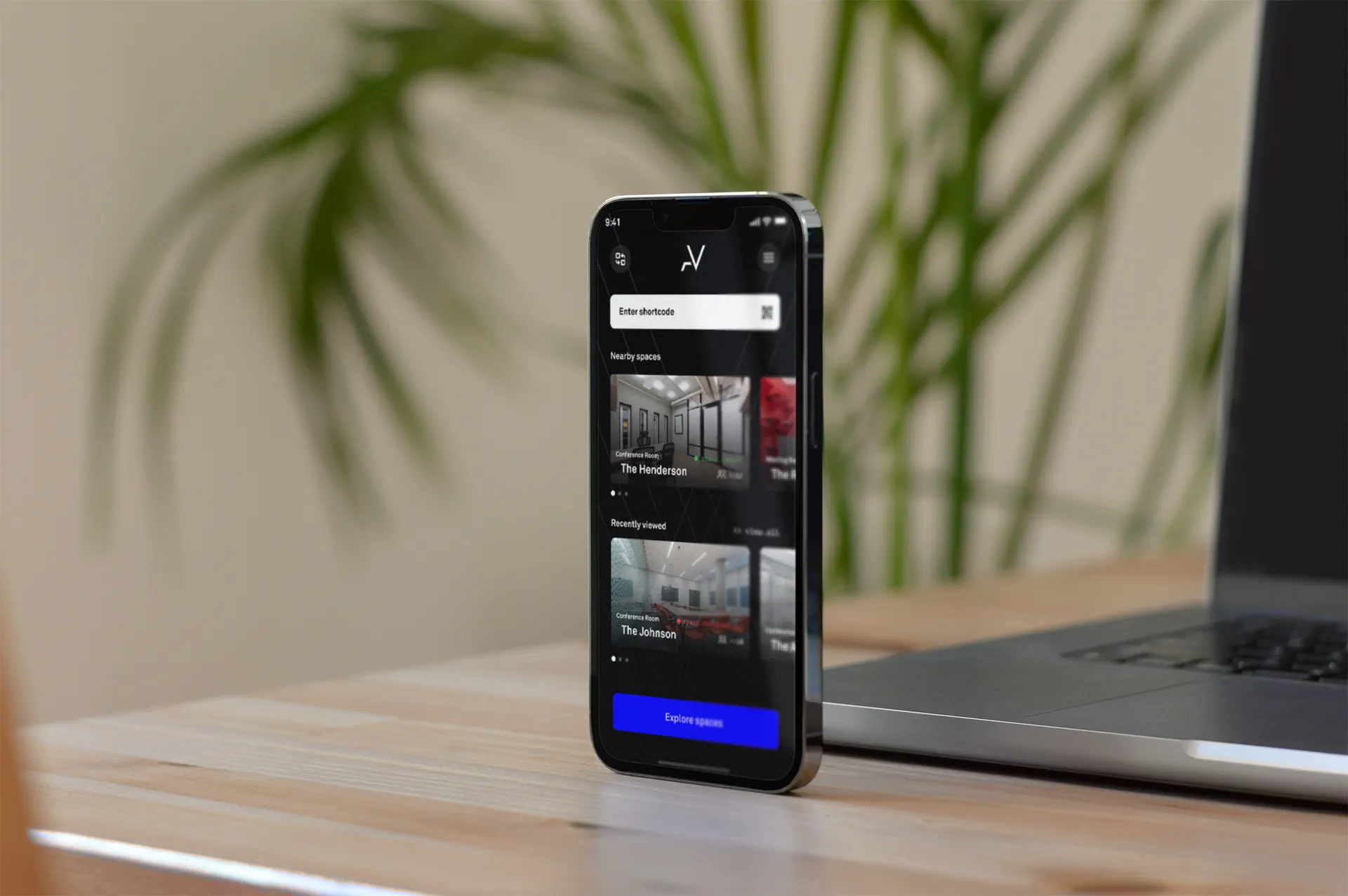
AlphaVictor app Make it happen The North Face campaign AI development Newell Stores app Software development Juice Jar app App development MPS Data Discovery to deployment The Lir website In-house UK team

How does a startup prototyping project work?

Five focused steps, each with a clear output you can review before we move on.

  1. Discovery workshop

    We map your riskiest assumptions and agree exactly what the prototype needs to test. You leave with a prioritised hypothesis list and a project scope.

  2. UX design

    Our designers structure the core user flows and screen layouts. Every decision ties back to the assumptions we need to validate.

  3. Clickable prototype

    We build an interactive, tappable version that looks and feels real to testers. No code, but enough fidelity to capture honest reactions.

  4. User testing sessions

    We run moderated sessions with real users and record every interaction. We capture task completion, drop-off points and qualitative feedback.

Prototypes we've built and tested

Our prototyping track record

Built for founders who need answers fast

Since 2015
Designing and building products
100%
In-house design and build
10+ yrs
Average years of experience in the team
  • Senior team, no handoffs

    The designers and engineers you meet in discovery are the same people who build your prototype. No juniors, no subcontractors, no offshore surprises.

  • Two UK offices, real workshops

    We run discovery and user testing from our London and Belfast studios. In-person sessions give you richer insight than remote-only alternatives.

  • Testing built in, not bolted on

    Every prototype engagement includes real-user testing. We write the scripts, recruit participants and run the sessions so you get evidence, not opinions.

  • Cross-sector experience

    We've prototyped products for startups and established businesses across health, property, retail and more. That range sharpens our instinct for what users actually need.

  • Designers who think in systems

    Our UX and UI designers produce component-based prototypes ready for engineering handoff. Nothing gets rebuilt from scratch when you move to your MVP.

  • Phased delivery, clear milestones

    You review and sign off progress at every stage. Phased work means you can pivot early if testing reveals something unexpected, without burning through your runway.

Myth Digital team at work in the studio Digital

How much does startup prototyping cost?

Three tiers, each with clear deliverables. Pick the depth that matches where you are right now.

  • Typically 2-3 weeks

    Rapid Validation

    Get in touch

    A fast, focused sprint to test one core assumption with real users before you commit further.

    • Half-day discovery session
    • Key screen designs (low-to-mid fidelity)
    • Clickable prototype of your primary flow
    • Test script and 5-user guerrilla test
    • Findings report with clear next steps
  • Typically 4-6 weeks

    Full Prototype & Test

    Get in touch

    A high-fidelity clickable prototype covering your full user journey, validated through two rounds of moderated testing and iteration.

    • Full discovery workshop
    • Complete user flow design (high fidelity)
    • Interactive clickable prototype
    • Two rounds of moderated user testing
    • Design iteration between rounds
    • Detailed recommendations report

All tiers are delivered by our senior in-house team across London and Belfast. Timelines are typical and scoped during discovery.

Is this right for you?

Prototyping works brilliantly for some situations and poorly for others. Here's a quick check.

A great fit

  • You have a startup idea you want to validate before committing to full development
  • You want evidence from real users, not assumptions, guiding your next move
  • You need something clickable to show investors, co-founders or stakeholders
  • You're open to learning your idea needs to change based on what testing reveals
  • You want to reduce risk before spending your budget on engineering

Not the right fit

  • You've already built and launched and need ongoing development support
  • You want a finished, production-ready product rather than a testable prototype
  • You're looking for the lowest possible price with no user testing included
  • You're not prepared to act on findings that challenge your original concept
  • You need maintenance or feature work on an existing live application
Myth Digital team at work in the studio handoff

From Prototype to MVP

Once your prototype is validated, we hand over a design system, annotated screen specs and a prioritised backlog. Tested screens feed straight into MVP development and production-ready custom software with the same team.

  • Reusable design system and components
  • Annotated specs for every screen
  • Prioritised feature backlog
  • Clear build roadmap for your MVP
FAQ

Startup prototyping FAQs

How long does a typical startup prototype take to build?

It depends on fidelity. A low-fidelity wireframe prototype can be ready in days. A high-fidelity clickable prototype with realistic interactions typically takes a few weeks. We scope the timeline during a discovery session so there are no surprises.

What fidelity of prototype do I need to validate my idea?

That depends on what you're testing. Low-fidelity wireframes work well for validating user flows and navigation. If you need to test desirability, pricing reactions or investor readiness, a high-fidelity clickable prototype with realistic visuals gives you far more reliable feedback.

Do I need user testing before I build an MVP?

Strongly recommended. Testing a prototype with real users surfaces usability problems and flawed assumptions before you commit to engineering. It's far cheaper to change a screen in a prototype than to rework production code. We build testing into every prototyping engagement.

What happens to the prototype after validation?

The prototype itself doesn't become production code, but everything it contains feeds directly into your MVP build. Design assets, validated user flows, interaction specs and test findings form a clear handoff package for engineering, saving significant rework.

How many users do I need to test with?

For quick usability testing, five participants typically uncover the majority of critical issues. If you're comparing two distinct flows or testing across different user segments, you may need slightly more. We help you choose the right sample for your goals.

Can I use the prototype to pitch investors?

Absolutely. A high-fidelity clickable prototype gives investors something tangible to interact with. Paired with real user-testing results, it demonstrates validated demand rather than just an idea on a slide. Many founders use the prototype as a core part of their fundraising deck.

100% Delivering digital products in-house
300+ Projects delivered to market
Global Clients range from start-ups to global

From our blog

Book a free discovery call

Ready to test your startup idea?