Prove It Before You Build

Myth Digital is a software prototyping company in Belfast and London. Our senior in-house team builds a working prototype that verifies your technical approach and surfaces risks quickly: test integration points, clarify scope and get real feedback before you commit to a full build.

  • Validate before you commit
  • UK-based in-house team
  • Milestone-based delivery
300+ Projects delivered to market
Global Clients range from start-ups to global
100% All work is in-house
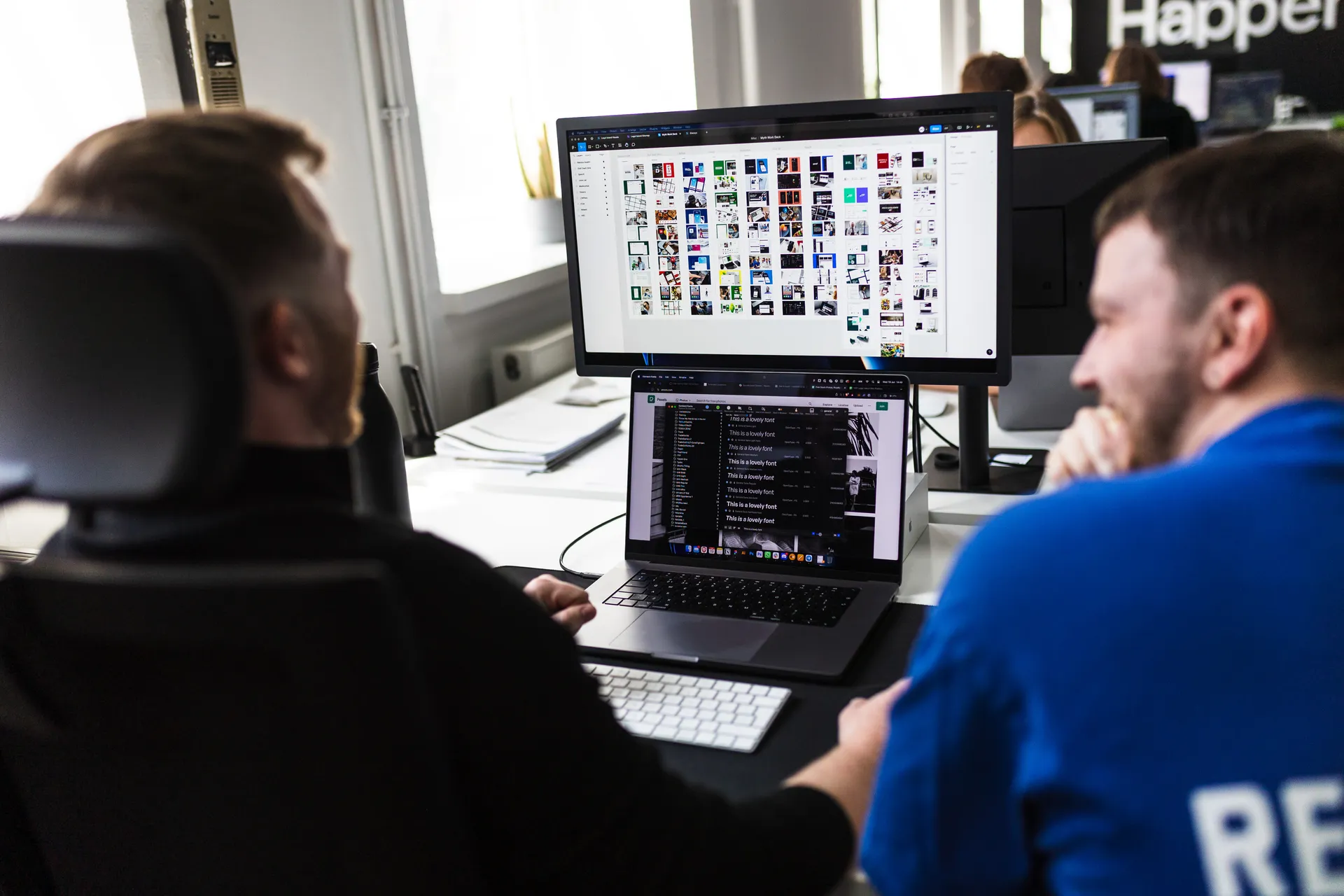
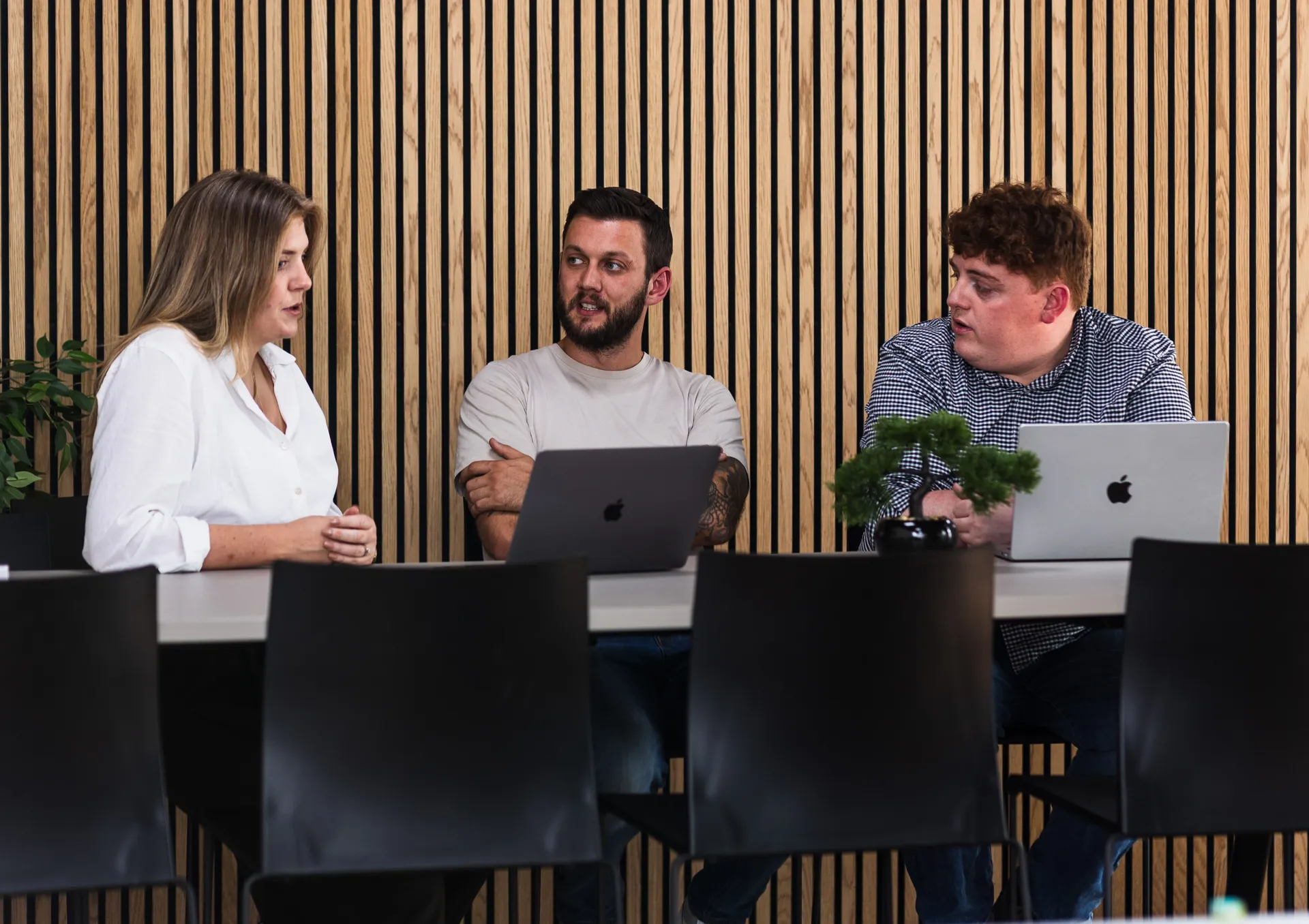
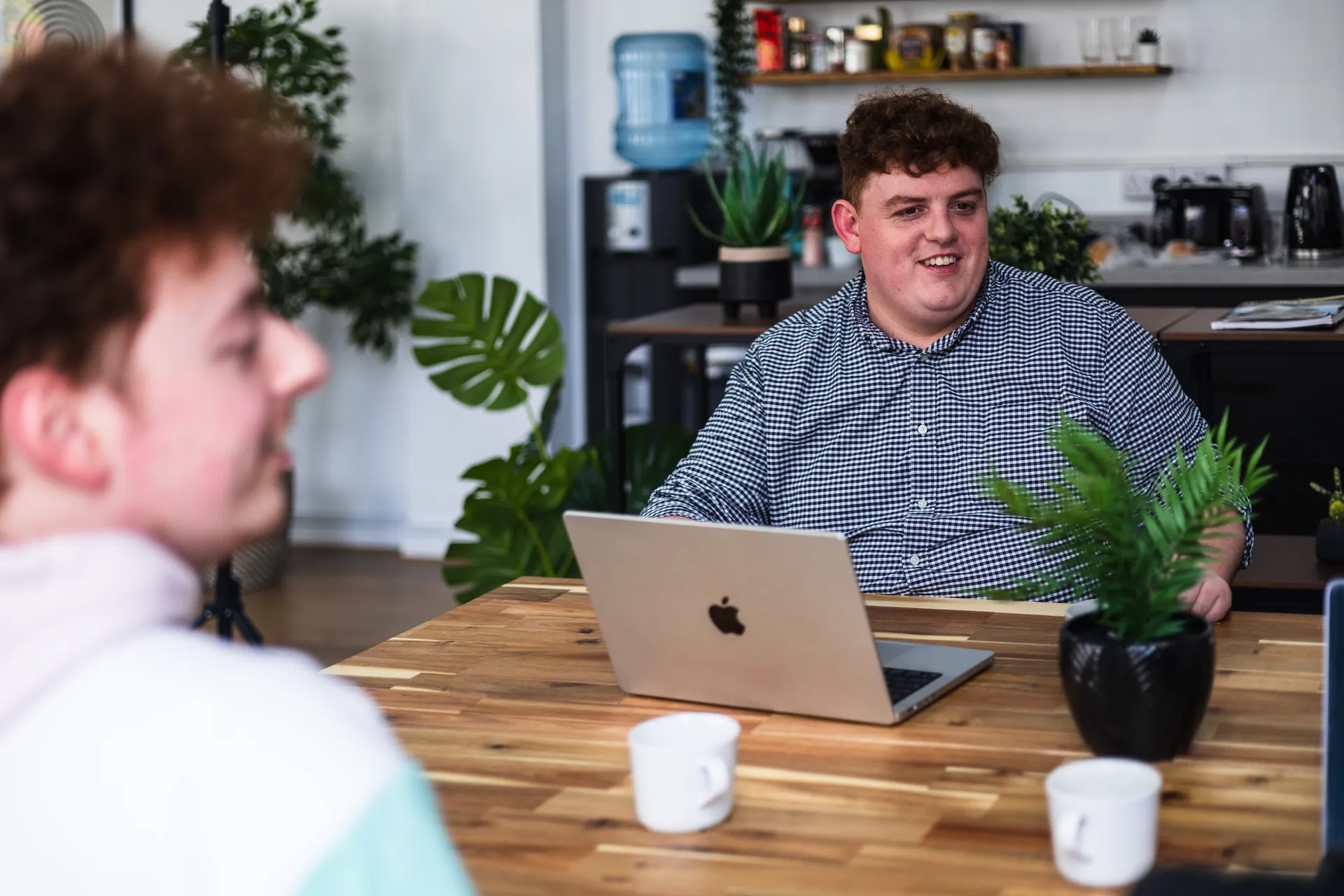
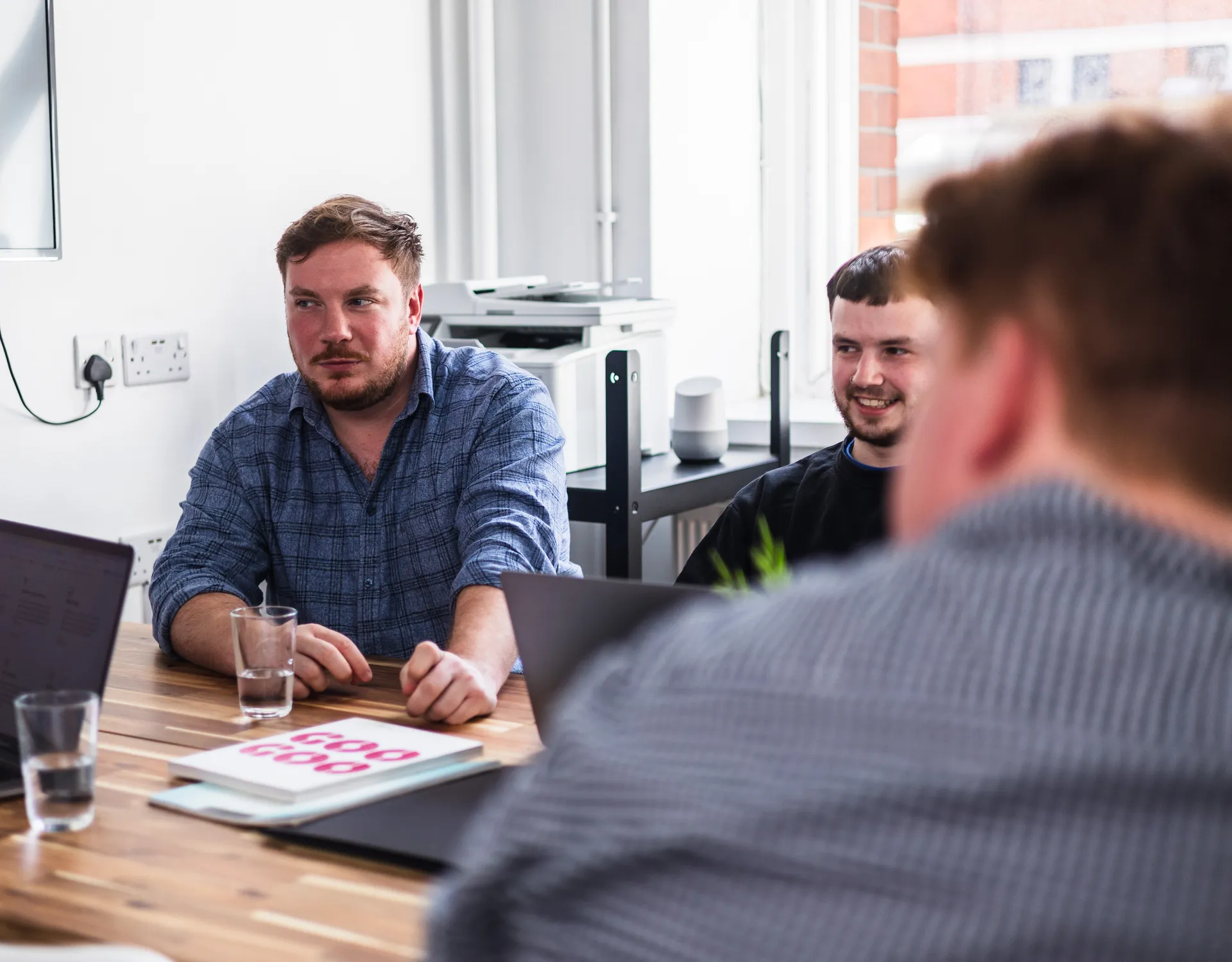
Myth Digital team at work in the studio

We build prototypes, proofs of concept and MVPs. Each solves a different problem, and picking the right one early saves you time and money.

A prototype is a working model real users can interact with to give feedback on flows and usability. A Proof of Concept (POC) is typically a narrow technical test of one risky assumption, or a small portion of development to validate a technical approach or market response. An MVP is a stripped-back product you actually release to market and measure.

We usually recommend starting with a prototype or POC. Problems surfaced early are cheap to fix. Leave them and you're betting your budget on untested assumptions. Not sure which fits your situation? A short discovery conversation will clarify the right starting point.

AlphaVictor
Bushmills
Coca-Cola
Complieye
Elecsys
Glen Dimplex
LifePass
The Lir
NHS
The North Face
Perks
Queen's University
Deep RiverRock
SPAR

What a Prototype Gets You

  • De-risk early

    Technical Risk Reduction

    Validate architecture and integration points before committing serious budget. You find the hard problems in weeks, not halfway through a full build.

  • Define the build

    A Realistic, Tested Spec

    Emerge with a clear scope grounded in what actually works. No guesswork, no bloated requirements lists. Just a spec your team can confidently build against.

  • Move faster

    Faster Time to Market

    Weeks of focused validation prevent months of rework. Prototyping compresses decision-making so the full build starts with momentum, not uncertainty.

Meeting table with a whiteboard of notes

Prototyping Cuts Rework and Project Cost

Most rework in custom software projects stems from assumptions that go untested until late in the build. A focused prototype surfaces those gaps early, before they compound into costly change requests.

  • Fewer late-stage change requests
  • Scope locked to validated requirements
  • Shorter overall delivery timeline
  • Budget protected by early proof

Which prototype level do you need?

Not every idea needs the same depth of validation. The right fidelity depends on what you're trying to prove and who needs to see it.

Clickable wireframe prototype
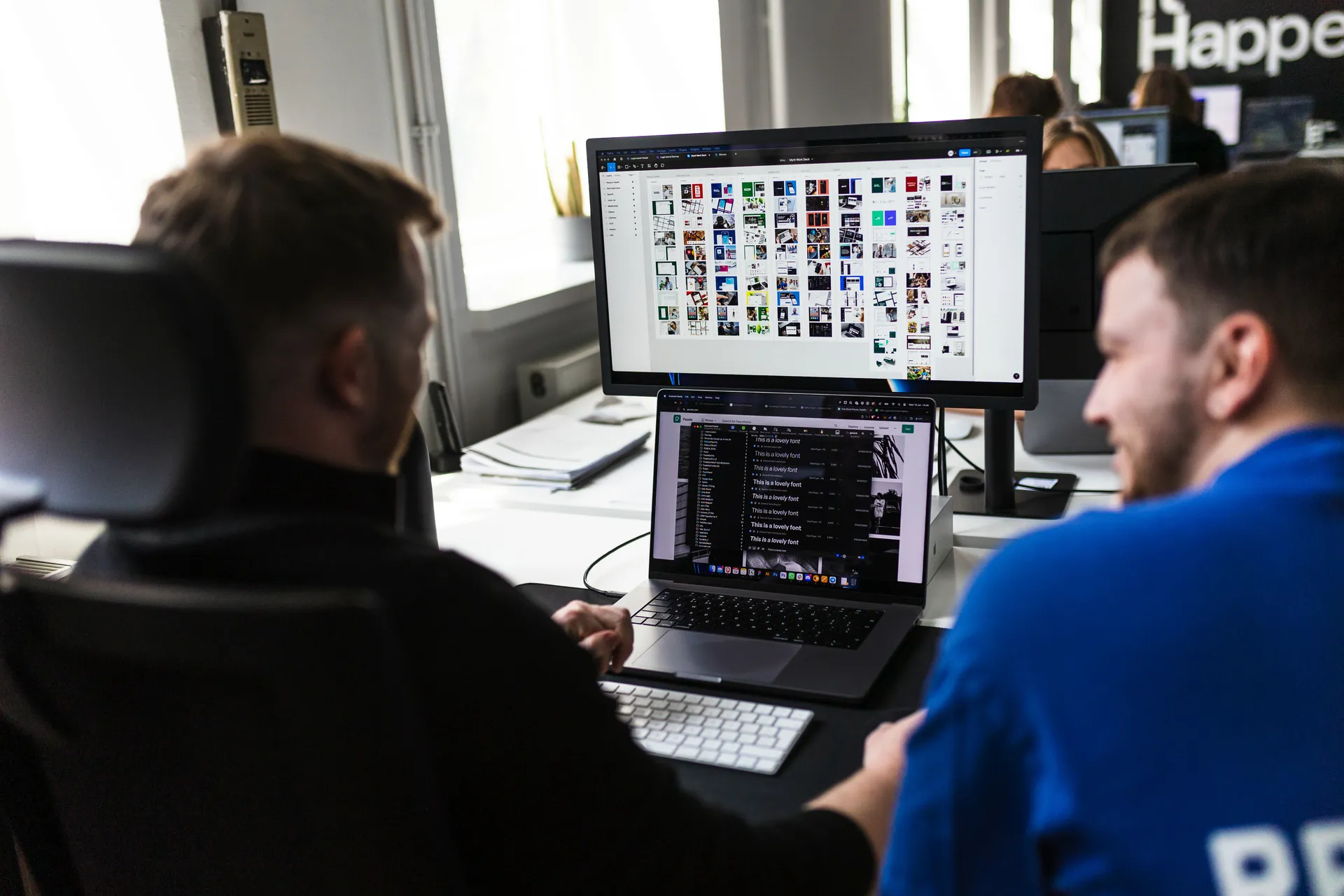
Two developers with a monitor full of design thumbnails and code on a laptop

Clickable wireframe prototype

Best when you need to test user flows and navigation before writing any code.

  • Maps screens, journeys and key interactions visually
  • Collects early user feedback at minimal commitment
  • You walk away with a tested flow ready to inform the build
Coded proof of concept
Framed print and a plant

Coded proof of concept

Choose this when you need to validate a specific technical assumption, such as a tricky integration or performance target.

  • Targets one risky technical question with working code
  • Proves feasibility before it becomes expensive to change
  • The output is clear evidence the approach works, or a documented reason to rethink it
High-fidelity working prototype
Developers at monitors with a grid of designs

High-fidelity working prototype

For teams that need near-production code handling real data and real APIs before committing to the full build.

  • Connects to live systems and processes genuine data
  • Surfaces performance limits and edge cases early
  • What you have at the end is a functional build that can evolve into production
Investor and demo prototype
Plant on a wooden meeting table

Investor and demo prototype

Ideal when you need something polished enough to present to board members, investors or partners.

  • Looks and feels like the finished product
  • Demonstrates core value proposition clearly under pressure
  • The result is a compelling, presentable demo that builds confidence
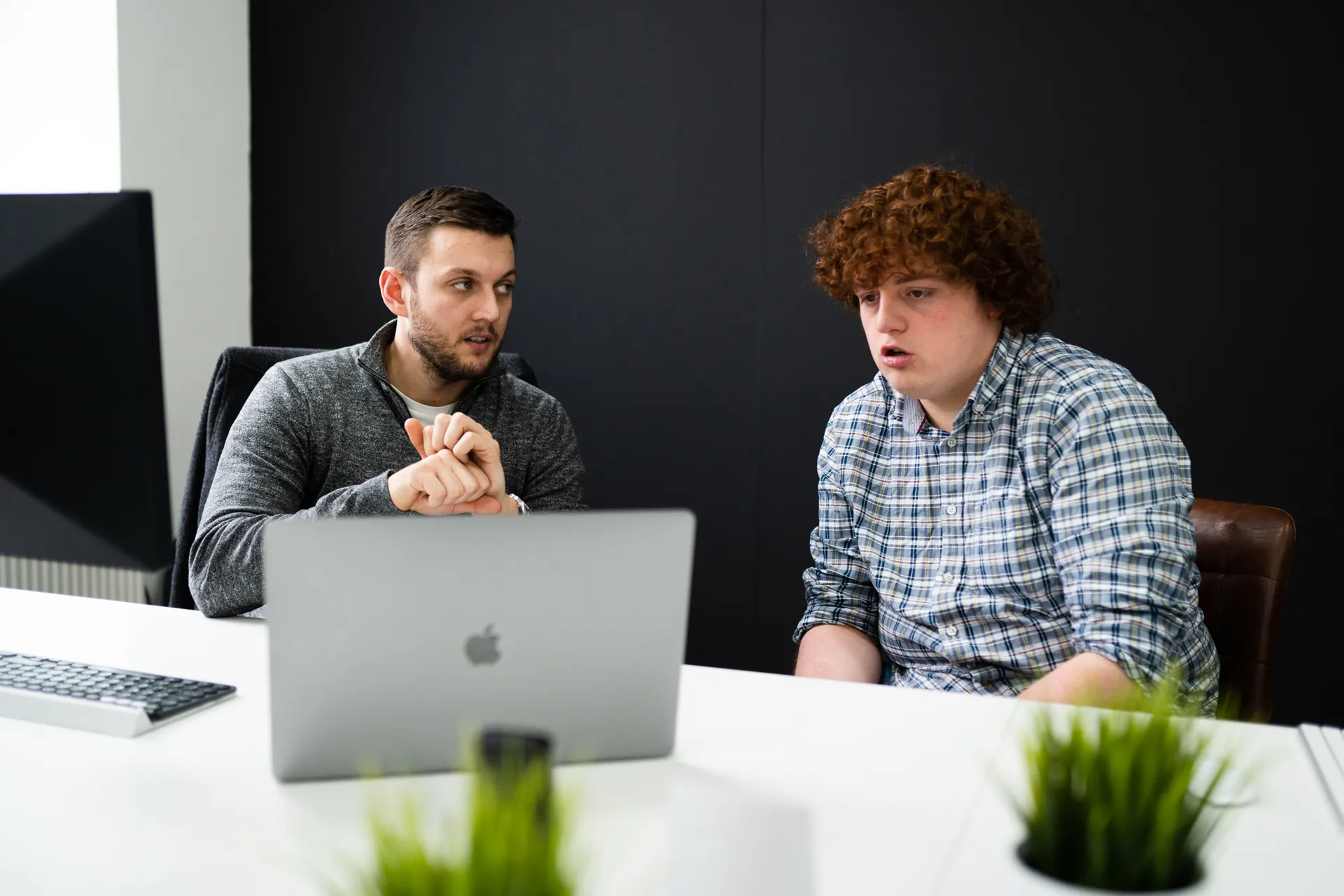
Myth Digital team at work in the studio session

How Long Does a Prototype Take?

Every prototype is different, but most of our engagements run between two and six weeks from kickoff to a working deliverable. Timeline depends on what you're validating and how complex the integration points are.

A focused proof-of-concept testing one technical assumption can be ready in a fortnight. A multi-screen interactive prototype with real data connections takes longer. We scope every engagement through a short discovery conversation first, so you get an honest timeline before any commitment.

  • Complexity of integrations involved
  • Fidelity level you need to validate
  • Number of user flows to test
  • Availability of existing systems or data
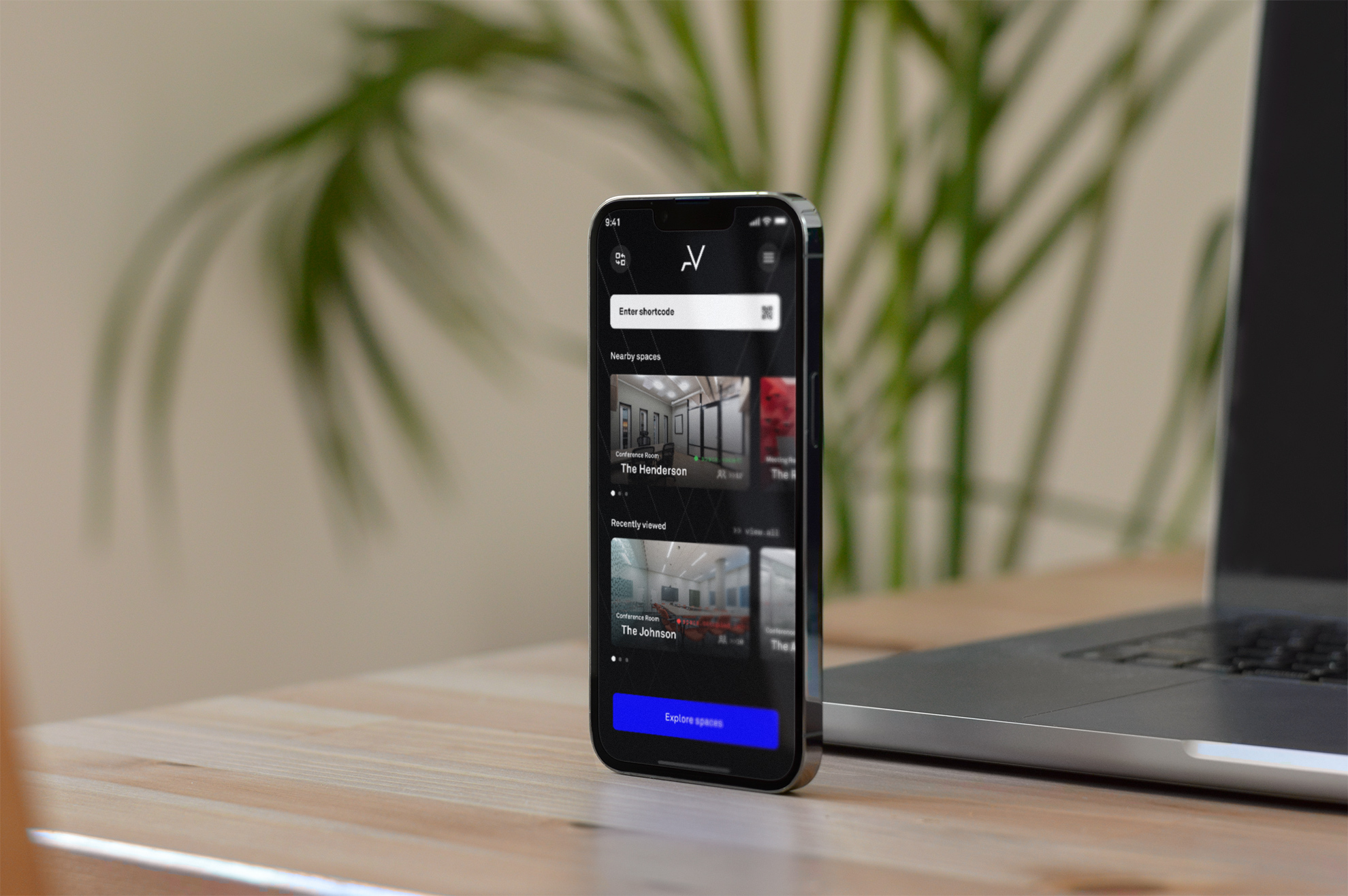
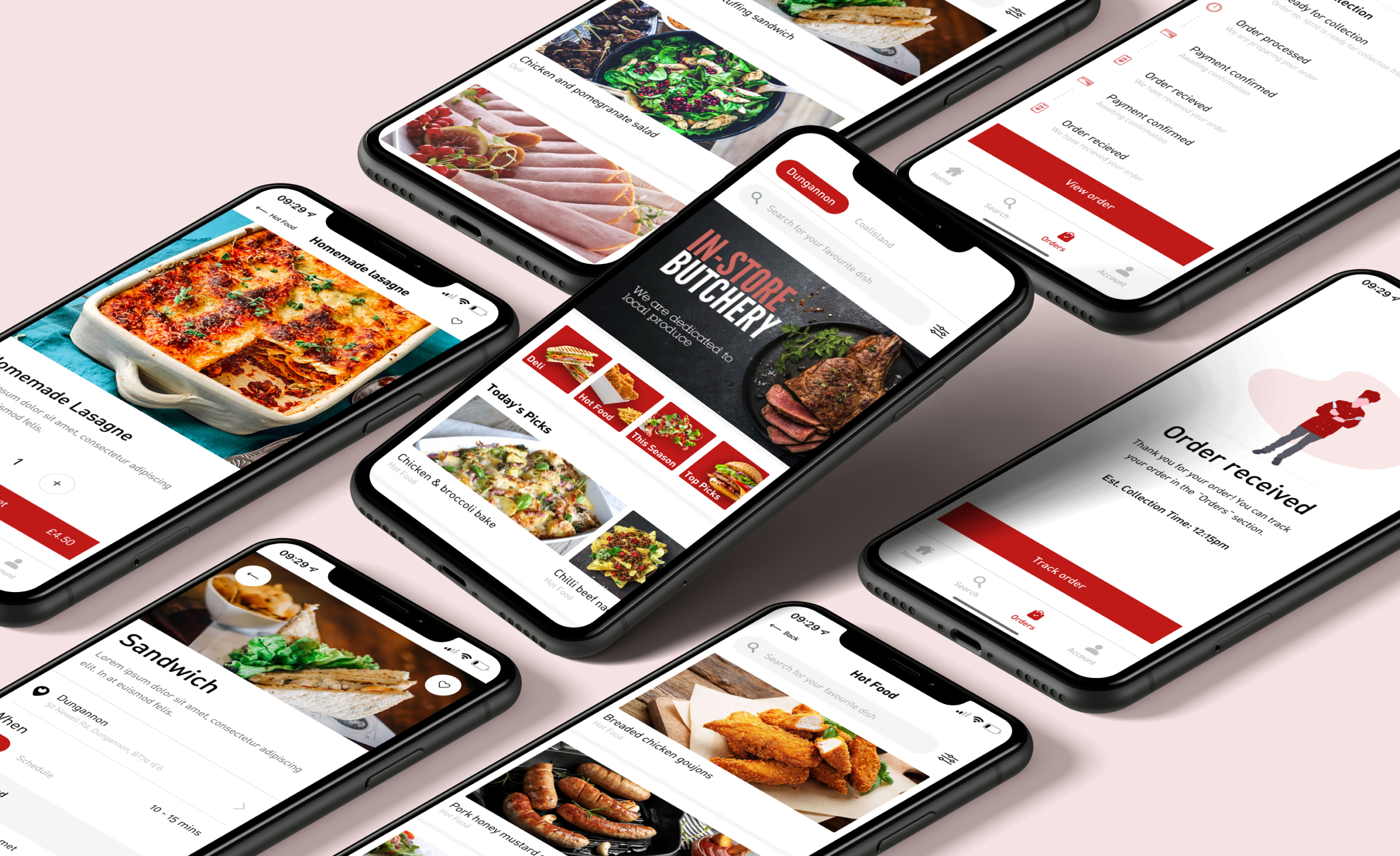
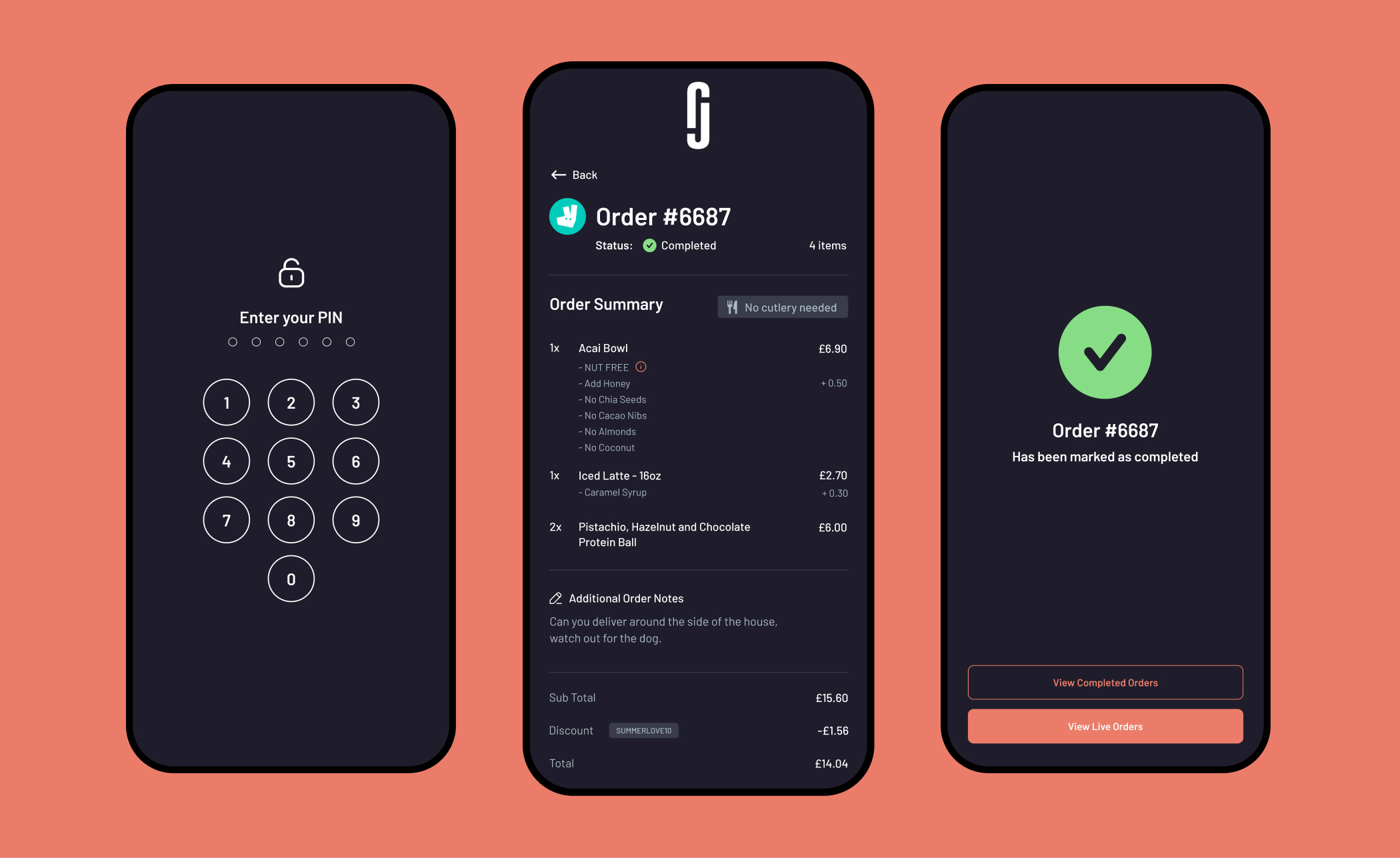
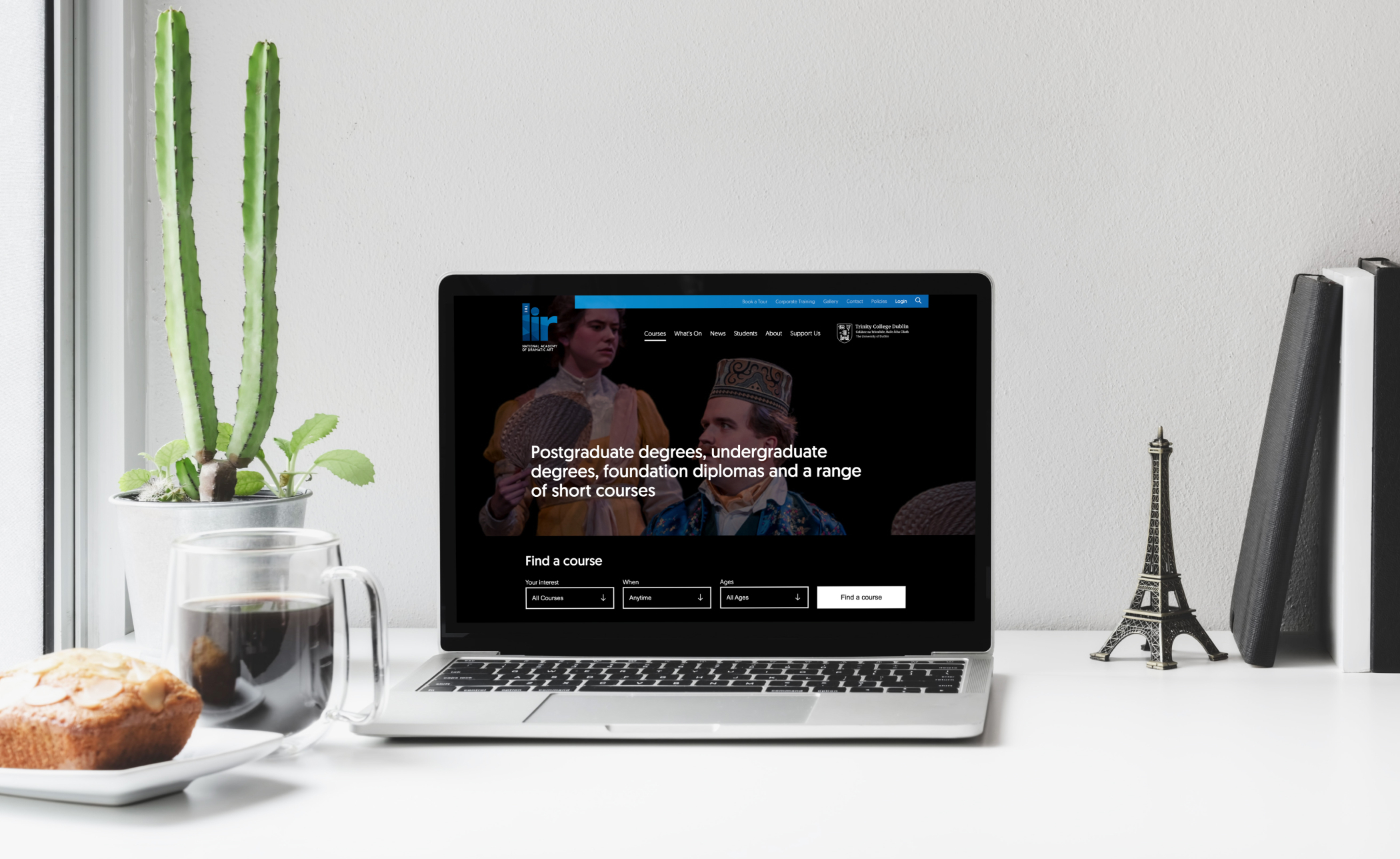
AlphaVictor app Make it happen The North Face campaign AI development Newell Stores app Software development Juice Jar app App development MPS Data Discovery to deployment The Lir website In-house UK team

Why choose Myth as your software prototyping company?

How does a software prototyping project work?

Every engagement follows the same transparent structure, so you know exactly what you're getting and when.

  1. Discovery workshop

    We identify the riskiest assumptions together and define exactly what your prototype needs to prove. No code gets written until this is clear.

  2. Scope and milestone plan

    Work is broken into clear deliverables. Each stage has demos and acceptance criteria so progress is visible throughout.
  3. Build sprint

    Our senior in-house engineers build the working prototype in focused sprints. You're kept close with regular check-ins.

  4. Test and validate

    We run the prototype against your success criteria: performance benchmarks, integration points and user feedback. Real results, not assumptions.

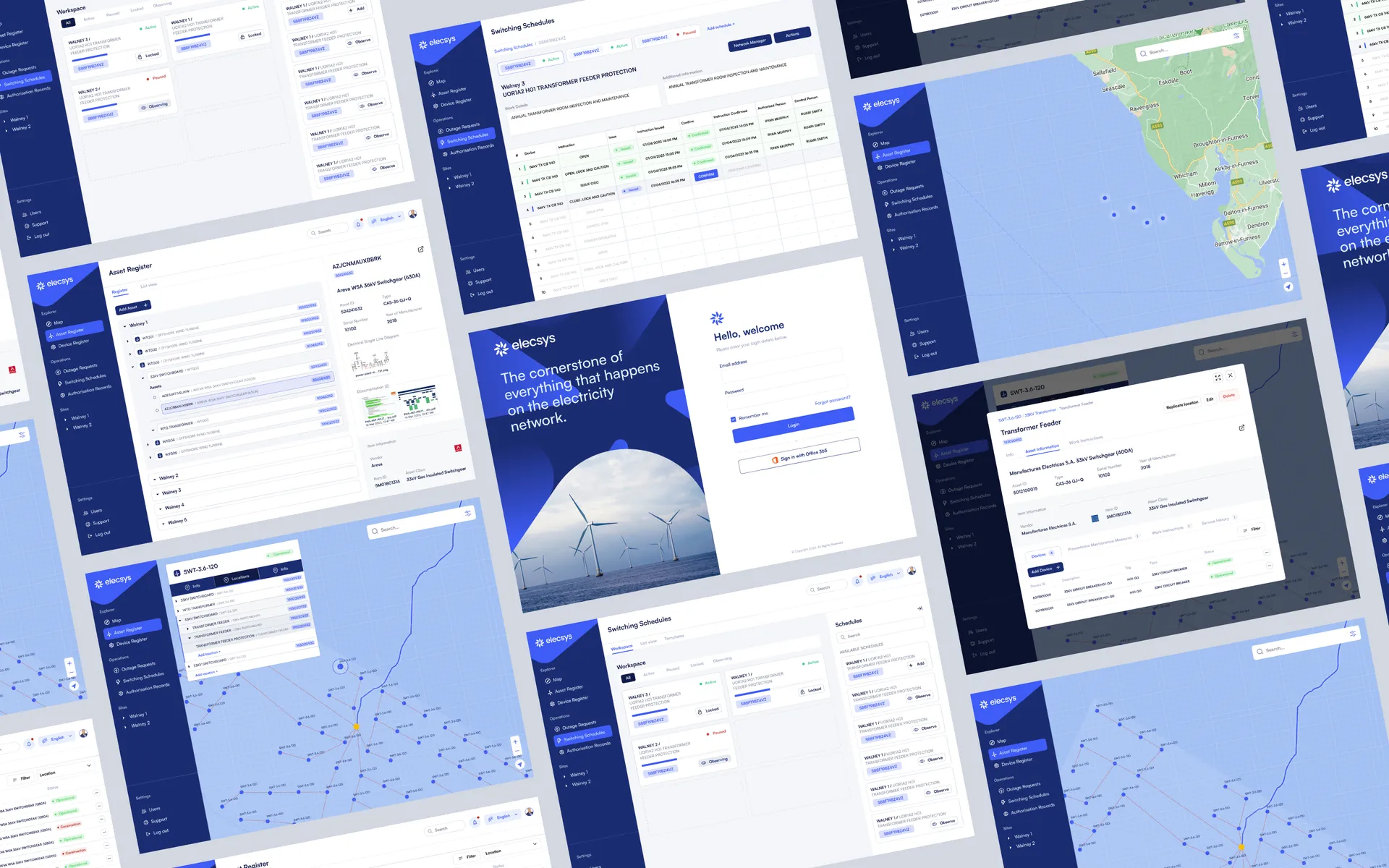
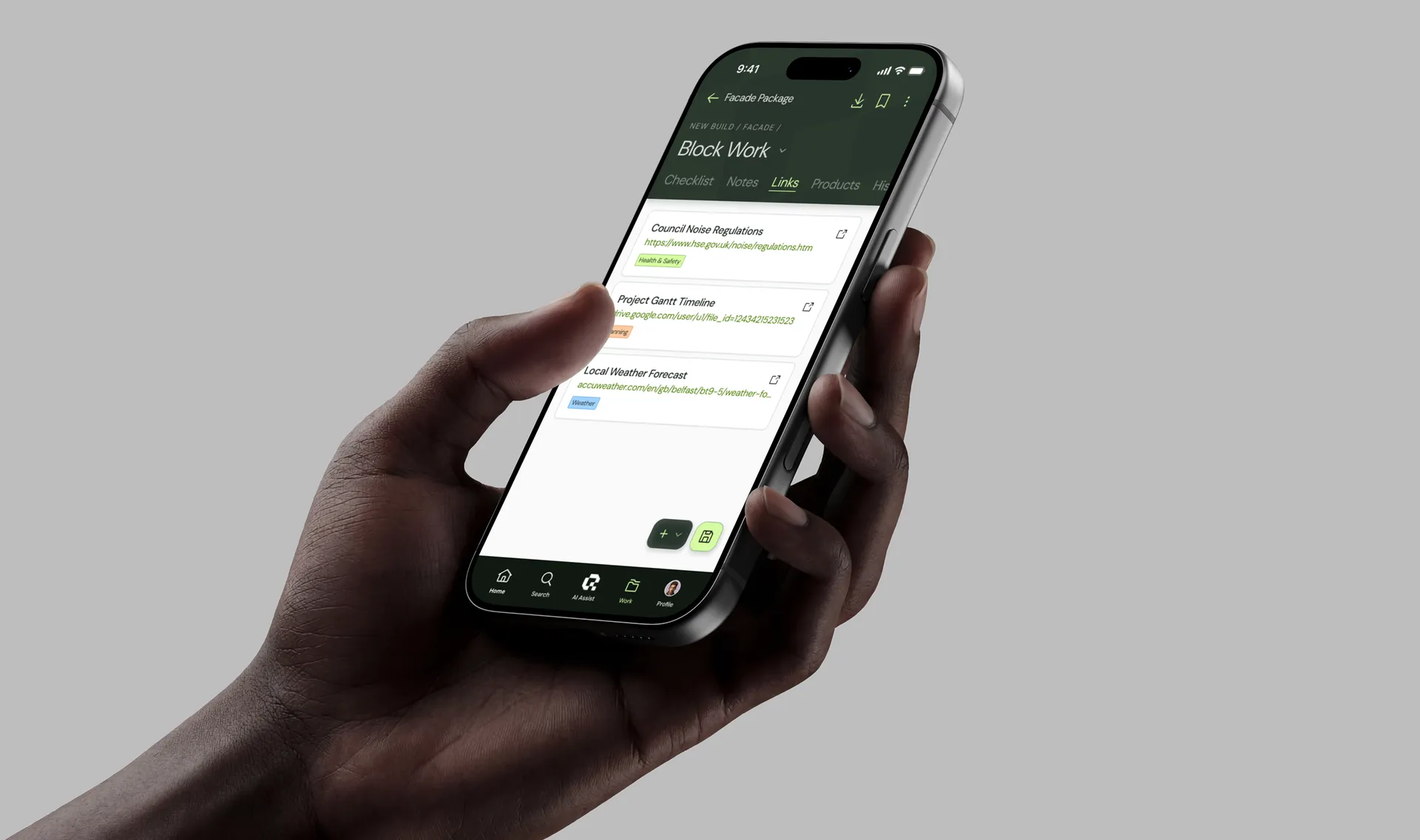
Prototypes we've built

Our track record

Prototypes built by a team that stays with you

100%
In-house UK design and build
2 offices
UK offices, London and Belfast
Global
Clients range from start-ups to global
  • Senior people who build it

    Our engineers and designers work on your prototype directly. The people in your discovery session are the ones writing the code.

  • UK-based, no offshoring

    We design and build from our London and Belfast offices. Shared timezones, in-person workshops, no handoffs to third parties.

  • Discovery before any code

    Every engagement starts with a focused exploration phase. We identify the riskiest assumptions first so the build targets what actually needs proving.

  • Clients who come back

    Most of our work comes from returning clients or referrals. Prototypes often lead to full builds because we prove value early.

  • Cross-sector experience

    We've built prototypes for startups, enterprise teams and everything between, spanning operations platforms, consumer apps and data integrations.

  • Milestone-based delivery

    You see working progress at every stage. Clear deliverables and demos, not months of silence. You sign off each milestone before we move on.

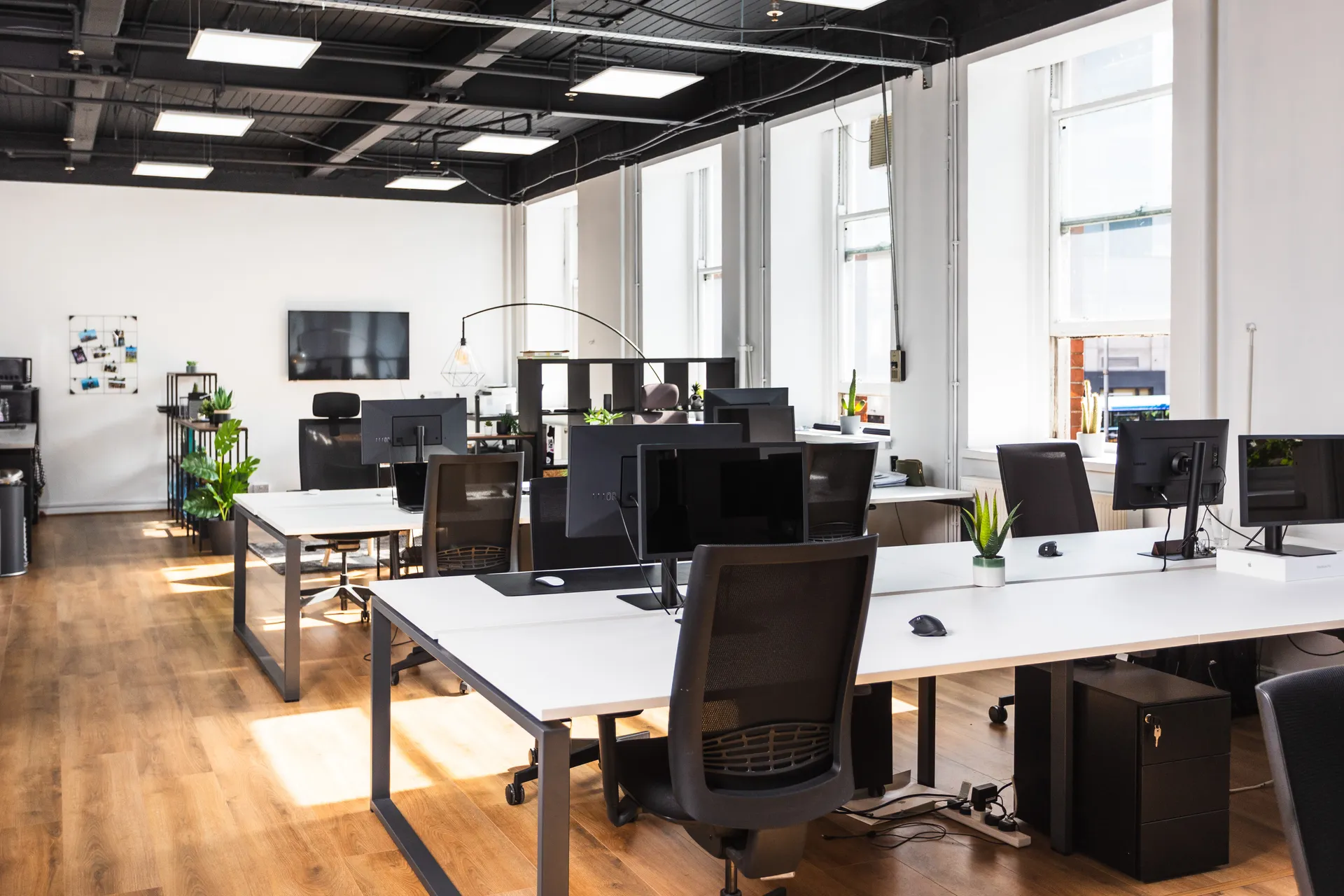
Myth Digital team at work in the studio

Senior builders, not a handoff team

Your prototype is built by the same senior in-house team who'd deliver the full product. No offshore subcontracting, no junior handoffs. You get timezone-aligned demos and clear milestone sign-offs from our London and Belfast offices.

  • Same engineers from discovery to production
  • In-person demos at every milestone
  • Transparent acceptance criteria throughout

Is prototyping right for you?

A prototype engagement suits some situations better than others. Here's a quick check.

A great fit

  • You have a concept but unproven technical assumptions
  • You need stakeholder buy-in before committing full budget
  • You want to de-risk a complex integration before building
  • You're exploring a new market with a testable idea
  • You need evidence that your approach works, not just a pitch deck

Not the right fit

  • You already have validated architecture and just need build capacity
  • You need a full production product delivered immediately
  • You want a design-only mockup with no technical validation
  • Your requirements are fully scoped and ready for development
  • You're looking for ongoing maintenance, not validation
Myth Digital team at work in the studio
FAQ

Software prototyping FAQs

What is the difference between a prototype and a proof of concept?

A proof of concept tests whether a technical idea is feasible, usually focusing on one risky assumption. A prototype goes further, showing how the product looks and feels so stakeholders can interact with it. We often run both in sequence.

Can a prototype become the basis for the final product?

It can. Some engagements use production-quality code from the start, making it straightforward to carry forward. Others prioritise speed, treating the prototype as a learning tool. We agree the approach with you upfront during discovery.

What level of fidelity should my prototype be?

That depends on your goal. A clickable mock-up suits early user feedback or board presentations. A coded prototype suits technical validation and integration testing. We recommend the lowest fidelity that answers your riskiest question.

Will you use production-ready code for the prototype?

We can, and often do when there is a clear path to a full build. If the main goal is rapid feasibility testing, we may use lighter approaches. We set expectations during discovery so you know exactly what you are getting.

How do you measure whether a prototype is successful?

We define success criteria before writing any code. These typically include technical validation targets, user-test feedback thresholds and confirmed integration points. You get a clear assessment against those criteria, plus recommendations for the next step.

How soon can we see results from a prototype engagement?

Most engagements produce a working deliverable within a matter of weeks. Timelines vary with complexity, but our milestone-based approach means you see demonstrable progress at each stage rather than waiting for a single handover.

How much does software prototyping cost?

Every prototype starts with a discovery call to understand your idea and define scope. We then propose one of two engagement shapes.

  • 2–4 weeks

    Discovery & Prototype

    from £10,000

    A single-feature spike or technical validation. We test one core assumption, deliver a working demo, and give you a clear yes-or-no on feasibility.

    • Discovery call and scope definition
    • One technical spike or interactive prototype
    • Working demo you can test internally
    • Written feasibility summary and next-step recommendations
  • 3–6 months

    Bespoke Build

    from £30,000

    A broader, clickable or functional prototype covering multiple user flows. Ideal for stakeholder buy-in, user testing, or validating a product concept before full build.

    • In-person or remote discovery workshop
    • UX wireframes and UI design
    • Multi-flow interactive prototype
    • User-testing support and iteration
    • Technical roadmap for production build
  • Rolling

    Retainer

    from £2,000/mo

    Keep momentum after the prototype. We iterate on feedback, run further tests and lay the technical groundwork for a production build.

    • Iterations based on user and stakeholder feedback
    • Further technical spikes and user testing
    • Technical groundwork for production
    • Monthly review and planning session

Prices are indicative starting points. Final scope and cost are confirmed after discovery.

We write about software development

Start with a conversation

Ready to validate your idea?