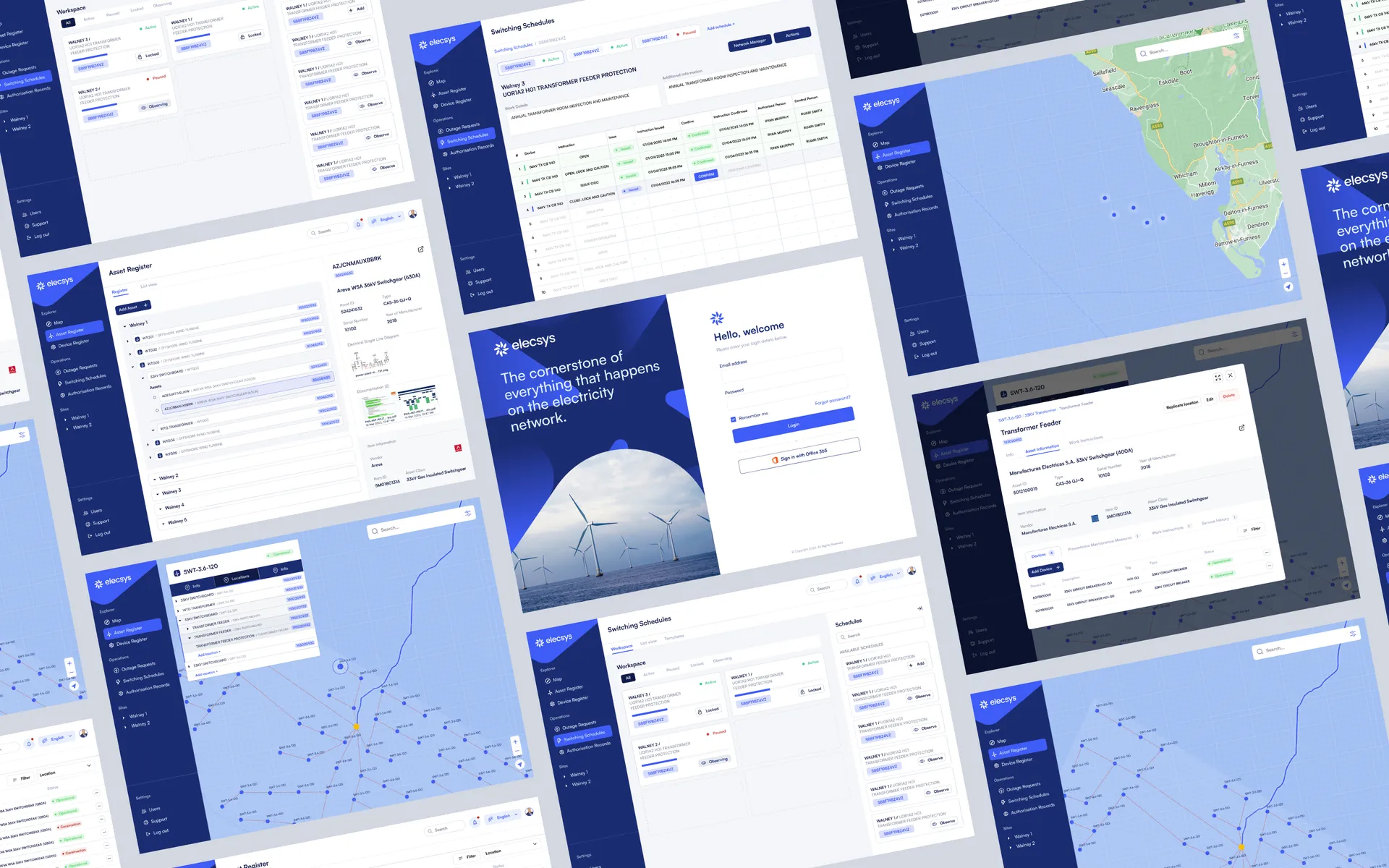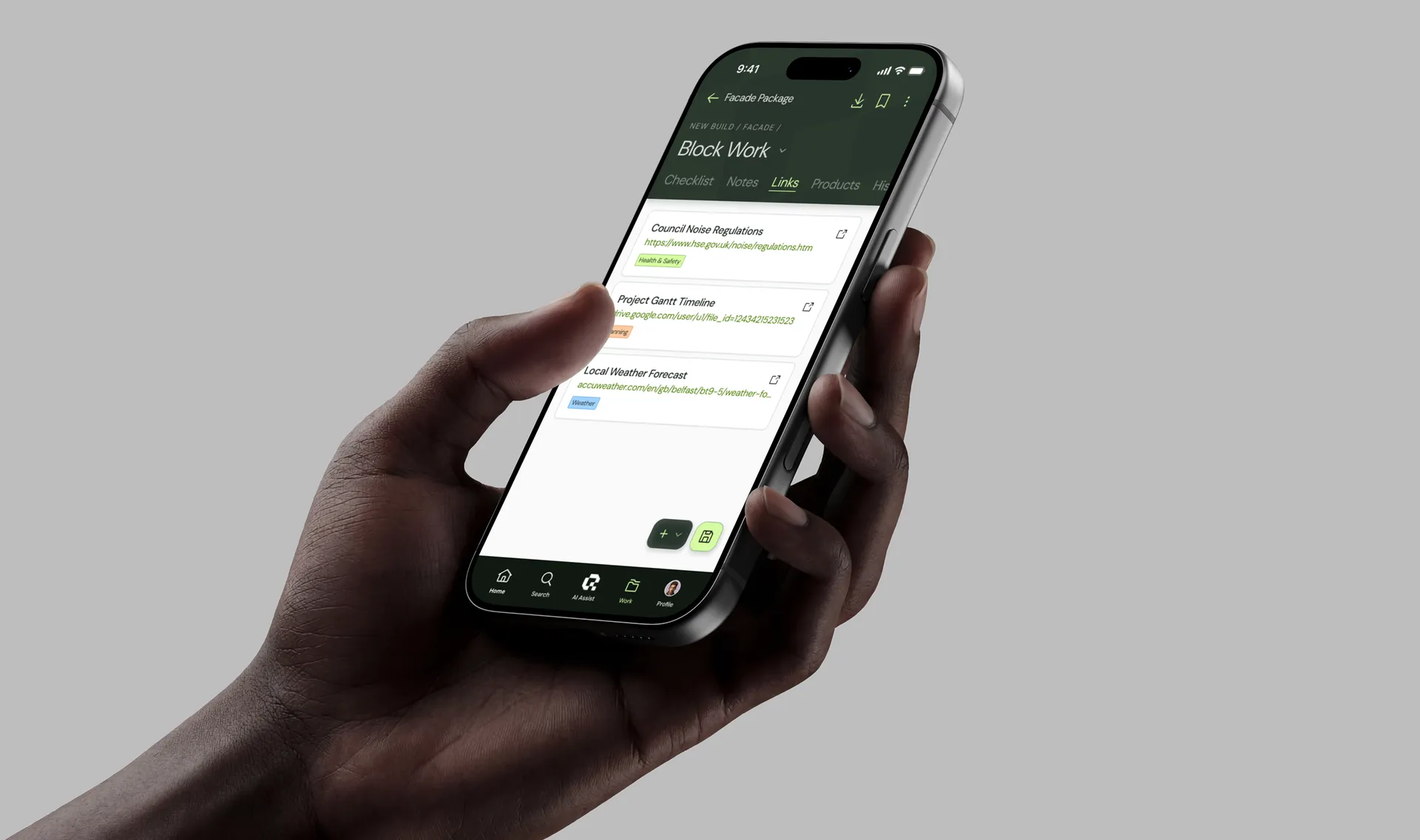
The landscape of innovation is laid before us. Businesses face rapid technological advancement. Brands race to outmanoeuvre each other with more impressive, more attentive customer service. Creativity is thriving in all areas of business; from empowering teams to work smarter to thinking laterally to overcome growth barriers and break into new markets.
Today, custom software is no longer a luxury, it’s a necessity for businesses seeking innovation and progression to lead in their industries and harness new niches. Here, we’ll take a look at why custom software development should be the foundation of innovation for you.
What Is the Strategic Edge of Custom Software Development?
By its very definition, innovation seeks to go further than what we know and trust, treading unknown ground to pioneer new ways of thinking and doing. Why use generic tools, designed to cater to the average of a broad spectrum of needs across businesses and industries, when you can intelligently craft something purpose-made to propel your unique innovation strategy?
Side-stepping the use of COTS tools means less time spent adjusting your operations to limitations and capabilities that don’t fully serve you. Custom software, intricately made to address specific challenges, makes your creative processes lean and efficient, increasing speed and productivity to support your endeavours as a valuable asset, rather than a hindrance in the way of reaching your goals.
Addressing Niche Business Challenges with Tailored Solutions
As a seamless extension of your enterprise, custom software can be built to mould itself around your business, evolving as your projects evolve. Further than simply automating existing processes, custom software developers seek to reimagine ways of working when you’re looking to break new ground by exploring, testing, learning, and developing.

What Does the Lifecycle of Custom Software Development Look Like?
Innovation must be supported by agile strategies, processes, and ideation. An openness to new ways of working and unforeseen opportunities is paramount (and unavoidable) when working towards revolutionary creativity. So how can we support this approach where software is needed?
One of the major benefits of custom software in any business venture is its inherent agility. We often wax lyrical about how we can develop custom software specifically to adapt and grow with your business. It’s one of the reasons it's such a great investment in the growth of your company. Outside of this, when seeking to go beyond standard everyday operations and pursue change, this agility is invaluable, offering capabilities like:
Adopting new and emerging technologies
Scaling with the business to remove limitations
Adapting to new processes and freshly discovered ways of working
Incorporating quicker implementation of new processes and tools to be more responsive
Custom software is on a journey of constant growth with your business, ready to meet your requirements as they arise. When we build a new piece of custom software, we build it to anticipate twists and turns on your journey that are still on the distant horizon–things you haven’t even thought about yet.
Adaptability is embedded in the DNA of your custom systems. From the initial discovery session to deployment, our partnership is a journey. But we don’t stop when your software is ‘completed’, we’re constantly improving, adjusting, and maintaining your software in a lifecycle of growth and modification.
Part of this modification concerns incorporating any of your existing processes, tools, and systems. Custom software can be built to work with anything that already works for you, that you don’t want to change. Such a significant aspect of innovation is taking what works and what is successful on the journey, and shedding the dead weight of systems that don’t serve you. Custom software supports this by seamlessly incorporating any systems you want to keep, giving way for scalability and modification along the way.
How Did Amazon Set the Standard for Custom Software Innovation?
Let’s look at how Amazon sets the bar for brands to innovate with custom software.
Amazon’s custom algorithm was built to analyse huge volumes of data. The result was a level of personalisation and efficiency in customer service that few brands had achieved before. The algorithm, made to constantly adapt to new detected behaviours and preferences, provides a tailored customer offering like none other. This level of customer service became an integral part of Amazon’s brand identity and set the standard for brands to follow.
The fundamental key to Amazon’s unique algorithm focuses on
Similarities between products rather than customers, a new idea that departed from the traditional model of user-based collaborative filtering. This resulted in improved product recommendations and computational advantages that made it scalable, adaptable, and efficient, as there was no need to compare customer histories across the brand’s whole database.
The ability to provide real-time recommendations, changing responsively to provide an ever-personalised shopping experience. McKinsey has estimated that 35% of what consumers purchase on Amazon comes from these product recommendations.
Continuous refinement and evolution of the algorithm to keep it agile and on the cusp of constant innovation. This involves activities like correcting the relatedness measure and using deep neural networks for matrix completion, which are only made possible by a highly complex custom algorithm made and ever-updated by a skilled team of custom software developers.
This real-world example shows custom software at its best, pioneering new levels of quality never before seen, leading industries to new heights of what they should be capable of, and paving the way for more interventions in the market space.
Which Technological Advancements Are Propelling Custom Software?
Amazon’s groundbreaking algorithm monopolised on cutting-edge technology and the expertise of highly skilled developers and strategists. And there are new technologies emerging all the time, presenting brands with similar opportunities to innovate in their own ways.
The arrival of AI in mainstream use, machine learning, the Internet of Things, and blockchain have all expanded the possibilities of businesses to harness innovative tools to propel their innovative ideas. This new technology promises a host of enticing benefits, such as streamlining systems and processes to free up human hours and provide better services and delving into detailed AI-driven analytics to redefine customer relationships and forecast intelligent business decisions.
Why Is Custom Software Your Next Strategic Move?
For the majority of projects that centre on innovation, there comes a point where custom software is necessary to continue on a trajectory of success. A custom solution is the key to unlocking your full potential, acting as an indispensable assistant on the journey of innovation, filled with discovery, reshifting goalposts, and redefining what success looks like.
If you’re poised for innovation and feel held back by your current digital systems, you might have found yourself here, discovering that a custom option is the answer to your challenges. It’s a story we hear often because many clients don’t know exactly what their custom solution looks like.
One of the joys of custom software is its fluidity, capable of meeting any hurdle or challenge. But it also means it’s hard for business owners to visualise how it can help them with a particular pain point, That’s where a trusted, skilled development team come in. It’s your developer’s job to listen to your needs and envision a solution with custom software, translating it to you in a way you can understand and (hopefully) get excited about.
Talk to Myth Digital about what’s holding you back from innovating, and let us sink our teeth into your challenge to come up with some creative custom software solutions.
Frequently asked questions
Why is custom software better than generic tools for innovation?
Generic tools cater to the average of a broad spectrum of needs, so teams spend time adjusting operations to limitations that do not serve them. Software made for one business addresses its specific challenges, keeps creative processes lean and efficient, and evolves as projects evolve rather than acting as a hindrance.
Can custom software work alongside the systems a business already uses?
Yes. Custom software can be built to work with any existing processes, tools and systems a business wants to keep, integrating them while shedding the ones that no longer serve it. That leaves room for scalability and modification without forcing a business to change what already works.
What makes Amazon''s recommendation algorithm an example of custom software innovation?
It compared similarities between products rather than customers, a departure from user-based collaborative filtering that made it scalable and efficient. It delivers real-time recommendations that personalise the shopping experience, and it is continuously refined with techniques such as deep neural networks for matrix completion by a skilled development team.
What happens after a custom software project is completed?
The work does not stop at deployment. Custom software enters a lifecycle of growth and modification in which it is improved, adjusted and maintained as the business changes, adopting new technologies, scaling to remove limitations and adapting to new processes and ways of working as they arise.