We look at efficiency in business: the challenges you might be facing and how they can be solved with custom software development.
It’s all too often, we speak to a new client about their gripes with a certain process at work. It’s taking time and effort out of their day, not to mention sapping the energy out of whoever has the misfortune of handling the tedious process. Clients in this situation don’t know that a custom software solution could fix the problem for good and allow efficiency to flow through their business. They just know they’re being held back.
In our article Boosting Productivity: How Custom Software Can Revitalize Your Workflow, we looked at the common KPIs for measuring productivity in business, and many of these were categorised as efficiency-driven. Read on as we look at efficiency a bit closer: the challenges you might be facing and the recommendations we usually give to solve them with custom software development.
How can custom software automate repetitive tasks?

Every business has its repetitive tasks. Activities such as data entry, raising invoices, and processing orders consume a large amount of employee time and let’s face it; they’re not the most inspiring of tasks. Repetitive tasks take up time, can lead to errors, and reduce employee satisfaction for the most part. Wouldn’t it be great if you could hand them over to a computer to carry out in the background?
Standardised processes are primed for automation through custom software solutions. Automating manual tasks like purchase orders can increase productivity and consistency while reducing error occurrence and freeing up staff to work on other tasks such as customer-facing roles, creative endeavours, or complex problems. There’s also the option to incorporate compliance checks into your custom software processes to ensure your business meets regulatory compliance.
A Real-World Example
General Motors’ finance arm, GM Financial, began building robotic process automation (RPA) into its culture in 2019, pairing business and IT teams to identify the processes best suited to software bots.
It has since automated millions of manual transactions, from customer payment extensions to processing faxed documents, cutting the handling time per document from minutes to seconds and freeing agents to work on the tasks that need a human.
How does custom software improve response times?

Slow response times can significantly impact a business, leading to longer processes, less satisfied customers, and frustrated staff. Slow response times in customer-facing processes result in poor brand reputation and lost opportunities. The same in internal processes damage workflows and create stifled work environments and discontent between teams.
Custom software can be used to improve response times and enhance engagement between customers, clients, and internal teams. The introduction of digital tools that automate responses, integrate communication platforms, and track progress take the strain off the human staff and smooth out the flow of each task.
Web portals for customers can be tailored to allow them to view their order history and tracking, so there’s no need to enquire about deliveries. Support can be made available with AI to help answer common queries before human intervention is needed. CRM systems can also automate client communication to reduce the need for dedicated staff. Lead tracking and introductory interaction protocols ensure opportunities aren’t missed and uphold the brand’s reputation from the start, enhancing client relations through custom software.
Real-World Example
US railway service Amtrak’s Julie is a good example of custom software enhancing customer response times. AI customer service chatbot Julie was programmed with answers to what Amtrak found to be its more common queries. Julie answers millions of questions a year, providing information customers sought immediately without having to wait on hold or request a call or email response.
The result of Amtrak’s investment in tailor-made AI is that human staff time can be redistributed to further grow the business, while customers have access to immediate support wherever possible.
How does custom software optimise resource usage?

Fail to allocate your resources efficiently, and you risk wasting time, losing money, and damaging connections with your people. All of this leads to slower, less efficient processes and less profits. It takes experience and insights to effectively manage your budget (time, money, and resources), which could be the difference between losing profits and growing revenue.
You could hire a consultant to reshift the structure of your business in order to fix issues in resource management, but such an endeavour can be quite costly, and you may experience even further costs through disruption. The cost-effective alternative is custom software for resource management. Bespoke software can be made to comprehend all the unique factors that affect your business’s resource usage, monitoring, allocating, and applying resources more effectively.
One of the most impactful implementations of custom software is enhanced analytics and data collection. Use customised reporting tools to track specific activity in your business and see where and how resources are being used (or not being used). Through this, custom software enables better decision-making and more profitable outcomes.
Real-World Example
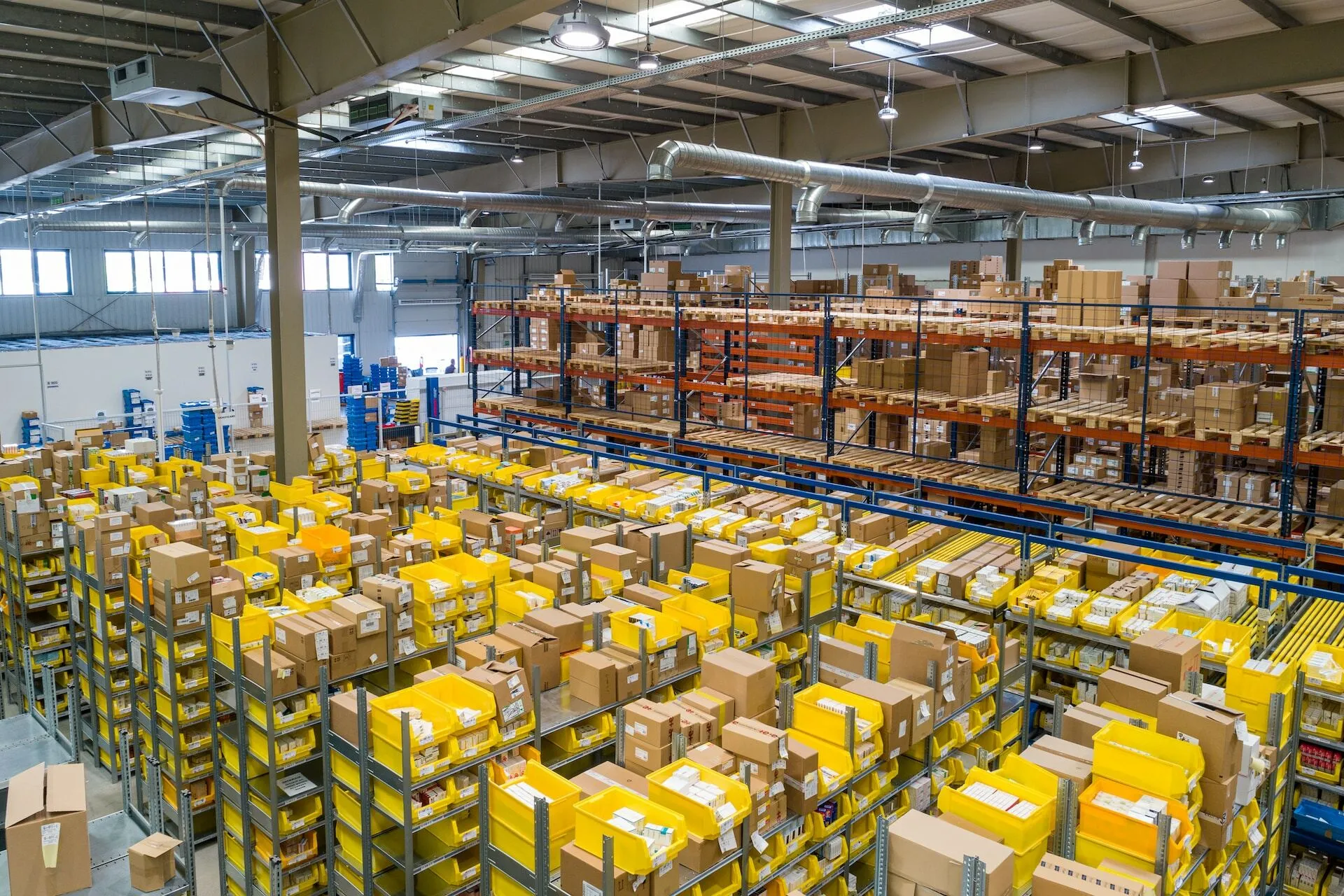
What better example of effective custom software implementation than retail giant Walmart? Walmart uses a custom-made system to ensure its supply chain and resource use management are fully optimised. Real-time sales data and inventory level analysis are at the core of the software, which ensures the best availability of products anywhere at all times while reducing costs.
These improvements to Walmarts supply chain infrastructure expanded its eCommerce capabilities, reduced shipping time and cost, and enhanced automation in warehouse and distribution centres. The transformation also includes omnichannel integration of eCommerce and retail stores, focusing on customer experience to further fortify loyalty to their brand for convenience.
Few businesses have Walmart’s in-house resources, which is why we think outsourcing custom software development is a pretty good idea. If you’re considering outsourcing your project, give us a call.
How does custom software integrate data and systems?
In order to work at peak efficiency, you need each stage, step, and cycle in your overall business operations to flow smoothly. Lack of integration, lags, and hurdles can lead to delays, wasted resources, and information silos, making data retrieval and analysis difficult. Data safeguarding becomes an issue, and pain points emerge everywhere.
Integration between various systems and processes results in smooth progress and unified data views, significantly improving productivity and efficiency, reducing process times and creating better work environments. If you’re experiencing this problem because of outdated legacy systems, unadaptable COTS software, and mismatching platforms, there's a custom software tool for you waiting to be built.
While off-the-shelf software often struggles to communicate with other systems, platforms, and tools, custom software can be built to integrate these, providing a centralised hub which speeds up and smoothes out communications. Old, outdated systems might struggle to keep up with modern ones. Custom software bridges this gap and provides processes to incorporate data holistically.
Business owners often hesitate to invest in custom software, seeing it as the more expensive option. However, the issues above exemplify how most growing businesses will eventually require a custom solution to integrate their systems. Investing in flexible and adaptable custom software early, which is scalable and malleable, can actually save money in the long run. Find out about the costs associated with custom software.
Real-World Example
Siemens Healthineers is a child company of medical tech giant Siemens, offering healthcare and patient care solutions. Siemens Healthineers found that patient care was becoming convoluted in the modern, digital world. Too many incohesive platforms, barriers to data sharing, and inefficient monitoring resulted in patient stress and even avoidable hospital admissions.
Using custom software Siemens Healthineers was able to integrate data across disparate healthcare systems in its network. This lead to better diagnostic efficiency, reducing hospital admissions and improving the quality of care offered. Siemens Healthineers laboratory diagnostic system is now integrated with hospital patient data systems, allowing faster decision-making. Shared decision-making in treatment also significantly improved the quality of care for patients.
Can you see an opportunity for custom software to help your business adapt for the future? How about empowering your teams in their new, hybrid ways of working? The market for custom software development is growing. Talk to us about staying abreast of the competition.
Frequently asked questions
Which business tasks are best suited to automation?
Standardised, repetitive processes such as data entry, raising invoices, processing orders and purchase orders are primed for automation. Handing them to custom software increases consistency, reduces errors and frees staff for customer-facing roles, creative work or complex problems. Compliance checks can also be built into the automated process.
What tools help a business respond to customers faster?
Customer web portals let people check order history and tracking without enquiring, AI support can answer common queries before a human is needed, and CRM systems can automate client communication. Lead tracking and introductory interaction protocols make sure new opportunities are not missed and the brand reputation is upheld from first contact.
Why do disconnected systems hurt efficiency?
When stages of a business do not flow into one another, lags and hurdles cause delays, wasted resources and information silos that make data retrieval and analysis difficult. Off-the-shelf software often struggles to communicate with other tools, whereas custom software can integrate legacy systems and mismatched platforms into one centralised hub.
Is custom software worth the cost for a growing business?
Business owners often see custom software as the more expensive option, but most growing businesses eventually need a custom solution to integrate their systems. Investing early in flexible, scalable software that can be adapted as the business changes can save money in the long run compared with patching disconnected tools later.