London’s digital market is one of the most competitive in the world. Businesses that don’t build smarter will quickly get left in the dust. With the global custom software development market forecast to keep growing quickly, startups are feeling the pressure to innovate at an accelerated rate. Prototyping software might seem like an extra step in the process, but really you’re saving yourself time, costs, and a massive risk.
Prototyping is a great opportunity and often a crucial route for startups and software developers to ensure ideas are viable before committing to them. In London, one of the top three global startup ecosystems alongside Silicon Valley and New York, making the right decisions and reacting to the market at the right times can’t be underestimated. This is where prototyping is the best approach to innovation.
What Role Does Prototyping Play in London’s Digital Market?
What is Prototyping?
Prototyping is the process of creating an early version of a product to test ideas before full development. It occurs across numerous industries, from creating physical products to testing prototype apps in a testing lab. Prototyping aims to validate concepts, reduce costly errors, and streamline development. In this article, we’re talking specifically about software prototyping because that’s what we know all about here at Myth. Here’s an idea of software prototypes:
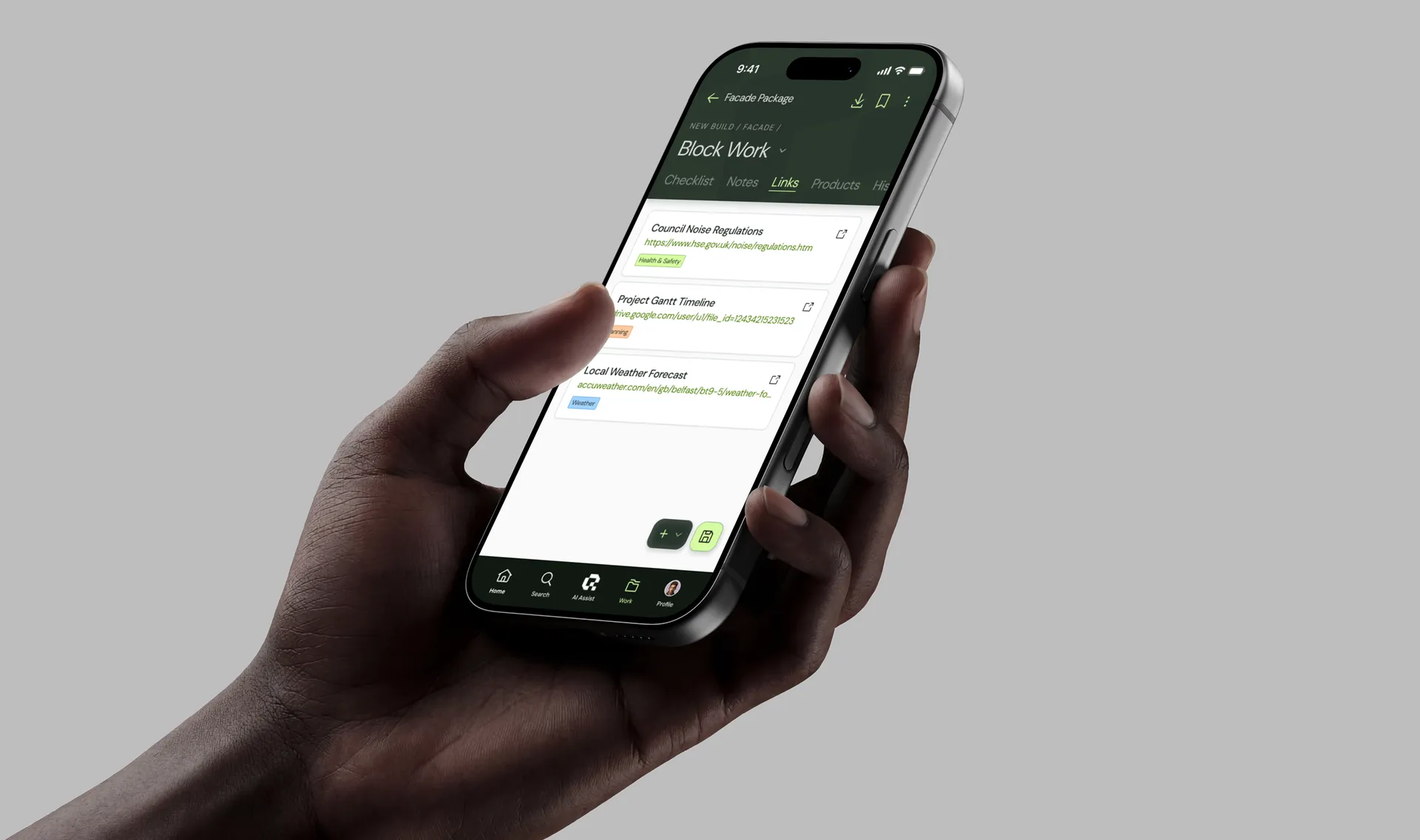
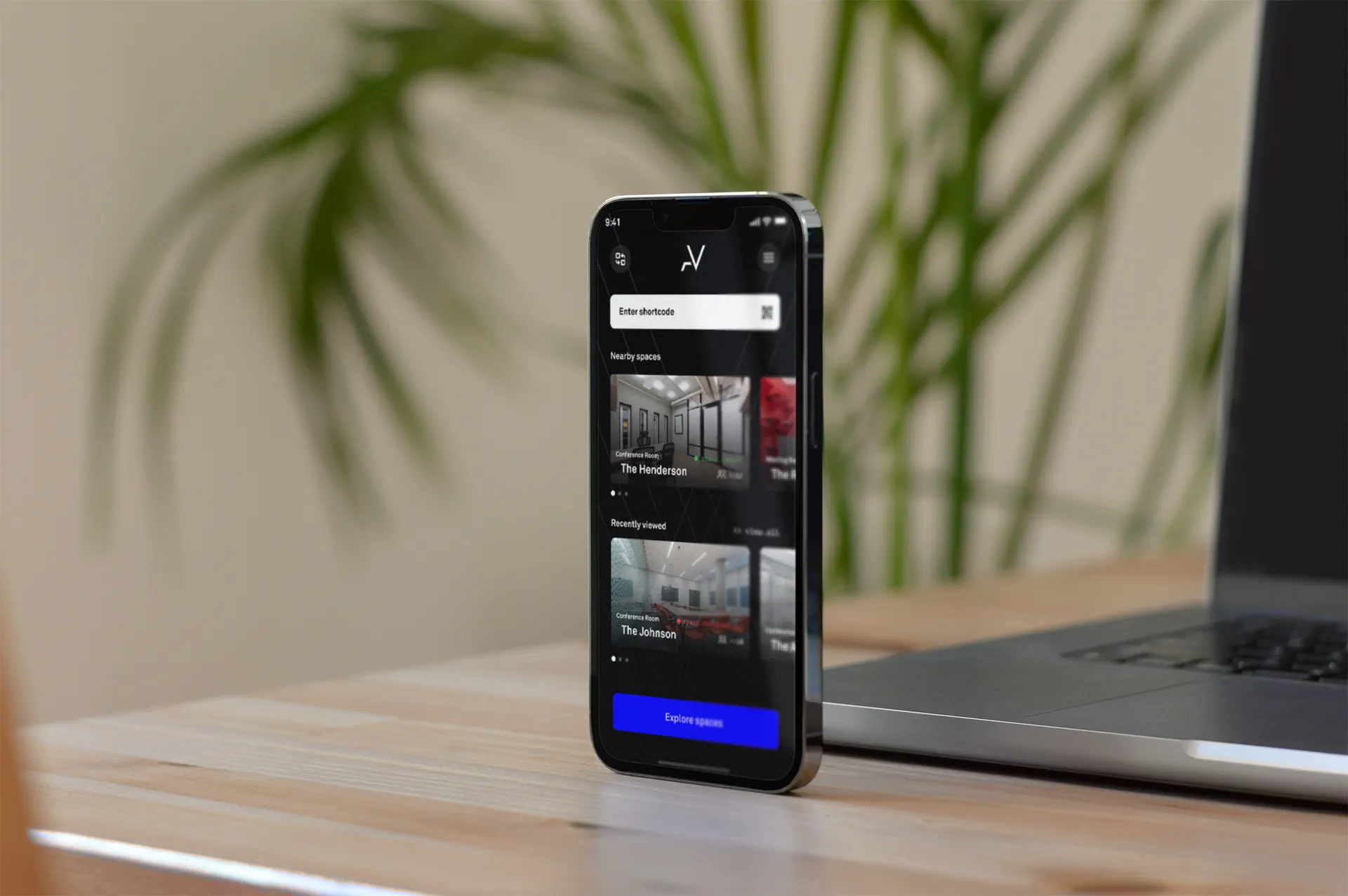
Mobile App UI/UX – Clickable prototypes to test navigation and usability.
Web Portals & Dashboards – Interfaces for users to interact with data-heavy platforms.
AI-powered Chatbots – Virtual assistants for customer support and automated processes.
Workflow Automation Software – Task management and team collaboration tools.
IoT & Smart Device Integrations – Home automation, wearable tech, or industrial monitoring.
AR/VR Experiences – Immersive retail apps, training simulations, or gaming prototypes.
Why Prototyping Matters in a Competitive Market
With thousands of startups competing to bring new solutions to market, the pressure is on to get there before other creatives. Investing in tailored solutions pays off when it comes from custom software development that identifies gaps in the market. 42% of startups fail due to a lack of market need; this is where prototyping would save you the trouble. Prototyping allows you to steadily build towards a successful result with iterations that don’t drain your resources completely and take up too much time.

What Are the Types of Prototyping and Their Benefits?
Where to start with prototyping? London startups and entrepreneurs can benefit from learning about how prototyping looks for them, even if they hand over control to a skilled software studio. Increasing demand for rapid product development is backed by a CAGR of 23.1% in the prototyping software market, expected to reach $1.81 billion in 2026.
Choosing the right prototyping approach can streamline development and ensure success.
Type | Purpose & Example | Benefits |
Low-Fidelity Prototyping (Lo-Fi) | Sketches, wireframes, and storyboards | Quick feedback, allows non-designers to contribute |
High-Fidelity Prototyping (Hi-Fi) | Clickable prototypes, 3D models | Realistic UI/UX testing, useful for investors |
Digital Prototyping | Tools like Figma, Adobe XD, InVision Studio | Fast iterations, cloud collaboration |
Physical Prototyping | Used in hardware and IoT development | Real-world testing before manufacturing |
Choosing the Right Prototyping Approach
Lo-Fi prototypes – Ideal for early-stage idea validation.
Hi-Fi prototypes – Best for usability testing and investor presentations.
Digital prototypes – Essential for SaaS and fintech startups in London.
Best Tools for Prototyping in London’s Tech Industry
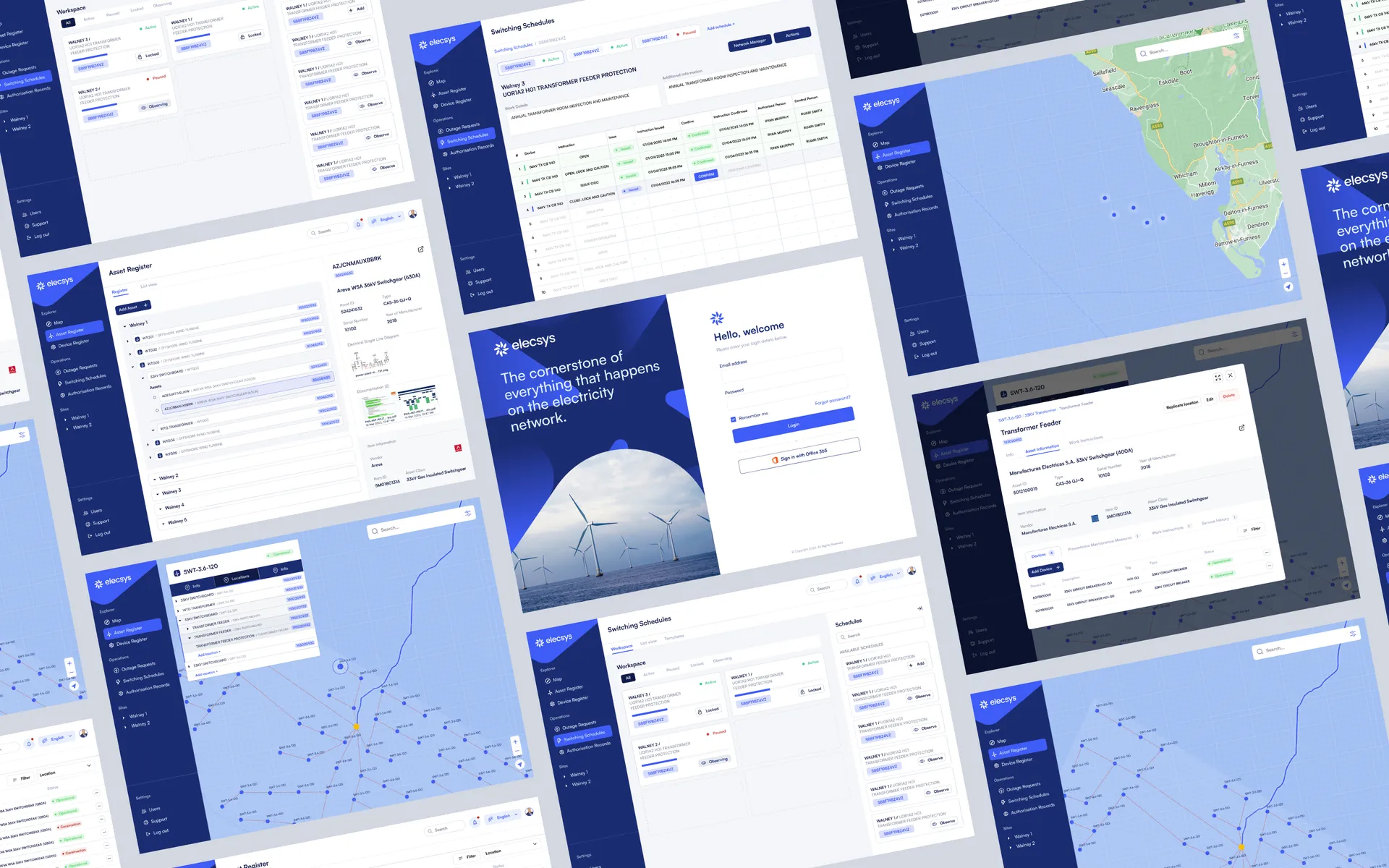
What does prototyping look like in the capital city? We use a tech stack that facilitates a streamlined process, swiftly bringing prototypes to life and enabling easy collaboration and communication to refine them to their ideal state. Figma, Adobe XD, WebFlow, and InVision Studio streamline design iterations where UX and UI functionality need to be experienced and tested. These are great for distributed teams and clients in London’s giant startup ecosystem or simply where more convenience is required, allowing for remote collaboration in real-time.
The rise of low-code and no-code platforms is democratising prototyping, allowing non-technical founders to validate ideas quickly. Tools like Bubble and WebFlow enable startups to create functional prototypes without heavy development investment. But where is the limit to this? Ultimately, entrepreneurs will need to hire the services of a skilled custom software developer to create their full-fledged solution, so why limit your experimentation to the crucial prototyping stage? Starting early with a professional means you can capitalise on creative ideas in functionality and UX Design that you might not have thought possible before.

How Does Prototyping Save Time and Resources?
1. Faster Market Validation
Prototyping allows businesses to test assumptions before committing to full-scale development. Instead of launching your product in the hopes that your market research was correct, test it out with people in your consumer demographics in a testing lab. Release a Beta version of your app to TestFlight and gain real feedback about engagement and satisfaction. Including this stage in your production gives you invaluable insight and helps you reiterate to perfection.
2. Avoiding Costly Mistakes
Entering the market isn’t the only competitive aspect of the London tech industry, and startups will always work on a tight budget. Savings costs anywhere possible is vital. This is where prototyping really brings value to your business model. Fixing errors during development is far cheaper than fixing them post-launch. This could be the vital decision that mitigates a huge financial setback at the worst time. It’s better to catch these weak spots early and can even improve decision-making as the product develops.
3. Reducing Development Time
Prototyping provides a structured roadmap that minimises scope creep and misalignment and ensures you stay on track to meet deadlines. Research from CBInsights shows that startups focusing on validated MVPs reduce failure risks significantly. While adding the step of creating a prototype may seem counterintuitive to a speedy process, it’s rather the opposite, especially where big pitfalls are avoided.

Prototyping for Startups: From Idea to Investment
Custom-built solutions are the only way to go when it comes to tech innovation. Pre-built alternatives have limited functionality for new and creative ideas, and if your intention is to create something unique, piecing it together with pre-made parts isn’t likely to serve you. Custom software built around your exact needs can deliver better long-term returns than off-the-shelf solutions. Prototyping is indeed a strategic investment for long-term success.
Investors prefer startups with validated, working prototypes. Minimum viable products (MVPs) demonstrate functionality and, when tested, prove engagement from the right audiences. Investors are far more likely to see the objective potential of your solution with an MVP demonstrated and stress-tested in the real world.
By visually demonstrating product functionality, interactive prototypes help align stakeholders with your objective—it makes the idea seem more viable when they can experience it for themselves. A well-tested prototype will reduce risks and accelerate adoption. It’s also a great way to drum up excitement in your end users. This is why custom software development is so important.
Examples of Successful Prototyping in Tech
Here’s the proof: internationally recognised brands that were built on prototypes.
Slack – Originally built as an internal communication tool, the team pivoted after seeing its potential.
Dropbox – Used a simple demo video to gauge interest before developing the product.
Instagram – Started as a location-based app but pivoted to focus on photo-sharing based on user behaviour.
Uber – Launched UberCab in San Francisco to test demand before scaling globally.
Figma – Began as a simple prototype testing real-time cloud collaboration for designers.
Notion – Used an MVP to showcase document-sharing features, helping attract investors.
Startups trying to bring innovations to market should jump on the prototyping opportunity without any delay. More and more startups are adopting creative prototyping methods to breathe life into their ideas before deciding to take the plunge. Growth in the prototyping software market is expected to continue, driven in part by IoT and connected devices.
We work with startups to create prototypes for exciting new software solutions. If you have an idea, we’d love to hear it.
Frequently asked questions
What is the difference between low-fidelity and high-fidelity prototypes?
Low-fidelity prototypes are sketches, wireframes and storyboards. They gather quick feedback and let non-designers contribute, so they suit early-stage idea validation. High-fidelity prototypes are clickable prototypes or 3D models that allow realistic UI and UX testing, which makes them best for usability testing and investor presentations.
Can I prototype an app without a developer?
Partly. Low-code and no-code platforms such as Bubble and Webflow let non-technical founders build functional prototypes and validate ideas quickly without heavy development investment. There is a limit, though. A full solution still needs a skilled custom software developer, and starting early with a professional lets you explore functionality and UX ideas you may not have considered.
Why do investors want to see a prototype?
Investors prefer startups with validated, working prototypes. A tested minimum viable product demonstrates functionality and proves engagement from the right audience, so investors can see the objective potential of the solution. Interactive prototypes also align stakeholders because the idea feels more viable once people can experience it for themselves.
Which tools are used for software prototyping?
Design tools such as Figma, Adobe XD, Webflow and InVision Studio streamline design iterations where UX and UI need to be experienced and tested, and they support remote collaboration in real time for distributed teams. For early validation, low-code and no-code platforms such as Bubble can also produce functional prototypes.